Case overview
Ultimate Timber Boundary Fencing Project in Thomastown
Planning a Timber Boundary Fencing Project in Thomastown requires high-quality materials, precise property line alignment, and careful adherence to local regulations. Whether you are replacing an aged partition or securing a new residential property, a professional Timber Boundary Fencing Project in Thomastown delivers natural aesthetic appeal, privacy, and sturdy property demarcation. Every reliable Timber Boundary Fencing Project in Thomastown must balance structural post stability, wind resistance, and clear neighbor agreements. By investing in a certified Timber Boundary Fencing Project in Thomastown, property owners can enhance backyard security, define boundaries legally, and boost overall home value.
1. Why Thomastown Properties Choose Timber Boundary Fences
Executing a Timber Boundary Fencing Project in Thomastown provides a classic, cost-effective, and versatile solution tailored to suburban blocks across Melbourne.
-
Natural Aesthetic: Seamlessly blends with residential gardens and varying landscaping styles.
-
Privacy and Sound Reduction: Dense timber palings block line-of-sight and reduce street noise effectively.
-
Cost Efficiency: Offers an economical way to enclose large boundary perimeters without sacrificing strength.
For broader insights into site groundwork and leveling, review our Guide to Melbourne Residential Earthworks (Internal Link 1) to ensure your boundary line is properly prepped.
2. Local Council Regulations & The Fences Act
When managing a Timber Boundary Fencing Project in Thomastown, navigating legal frameworks ensures a smooth process with adjoining owners:
-
The Fences Act 1968: Governs standard dividing fences in Victoria, outlining guidelines for shared costs, notices, and dispute resolution.
-
City of Whittlesea Guidelines: Front or side fence height limits and overlay restrictions must comply with municipal codes. Verify specifics through the City of Whittlesea Planning Scheme (External Link 1).
-
VBA Standards: Ensure construction safety and building standards align with the Victorian Building Authority (VBA) (External Link 2).
3. Selecting Quality Timber and Structural Hardware
The longevity of your fence relies heavily on structural grade and material durability:
-
H4 Treated Pine Posts: Essential for inground use, resisting termite attacks and wood rot from wet soil. Learn more about structural timber standards via Standards Australia (External Link 3).
-
Galvanized Fixings: Using heavy-duty nails or screws prevents rust bleeding and structural loosening over time. Review builder benchmarks with Master Builders Victoria (External Link 4).
To explore custom landscaping integration, read our detailed overview on Professional Landscaping & Drainage Solutions (Internal Link 2).
4. Proper Drainage and Post Footing Stability
A successful Timber Boundary Fencing Project in Thomastown requires robust sub-surface installation to survive Melbourne storms:
-
Concrete Footing Depth: Deep, secure concrete footings anchor the posts against high wind loads.
-
Moisture Management: Preventing water pooling around post bases ensures prolonged wood health. Review stormwater and drainage rules via the Melbourne Water Guidelines (External Link 5).
For further clarity on neighbor agreements and boundary laws, check out our resource on Neighborly Disputes and Boundary Fencing Laws (Internal Link 3). Additionally, for material engineering standards, consult the Concrete Masonry Association of Australia (External Link 6).
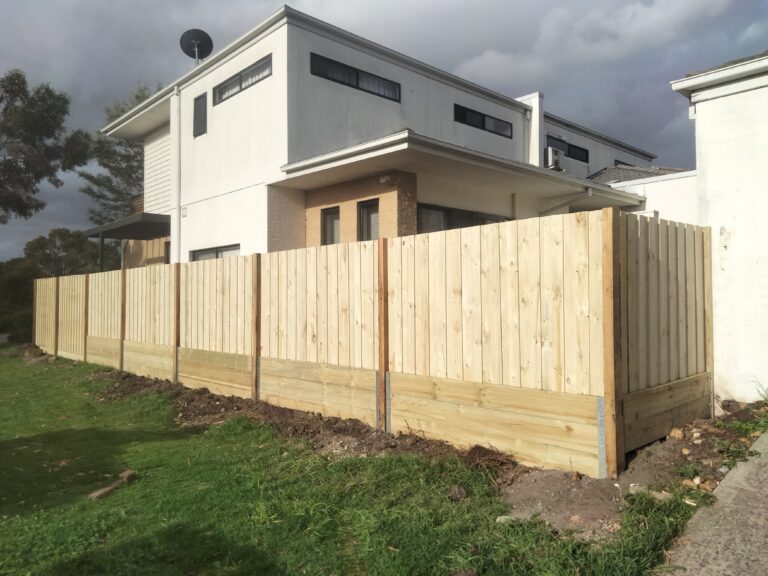
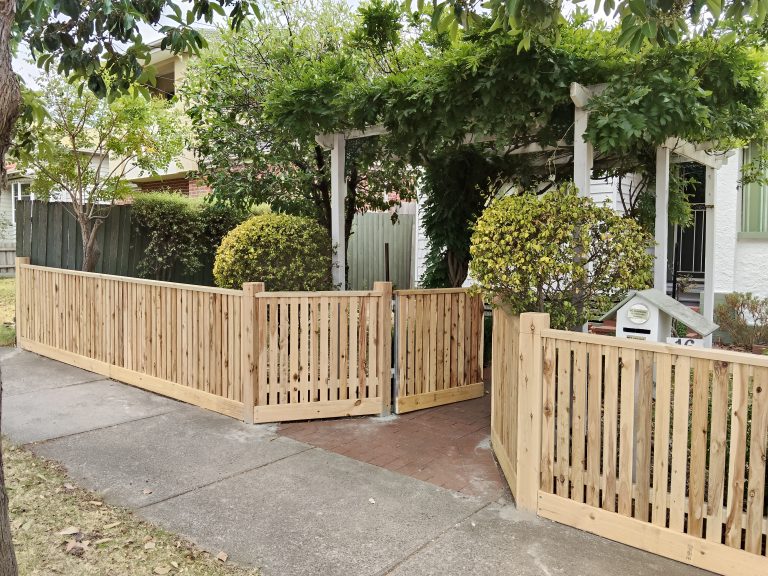
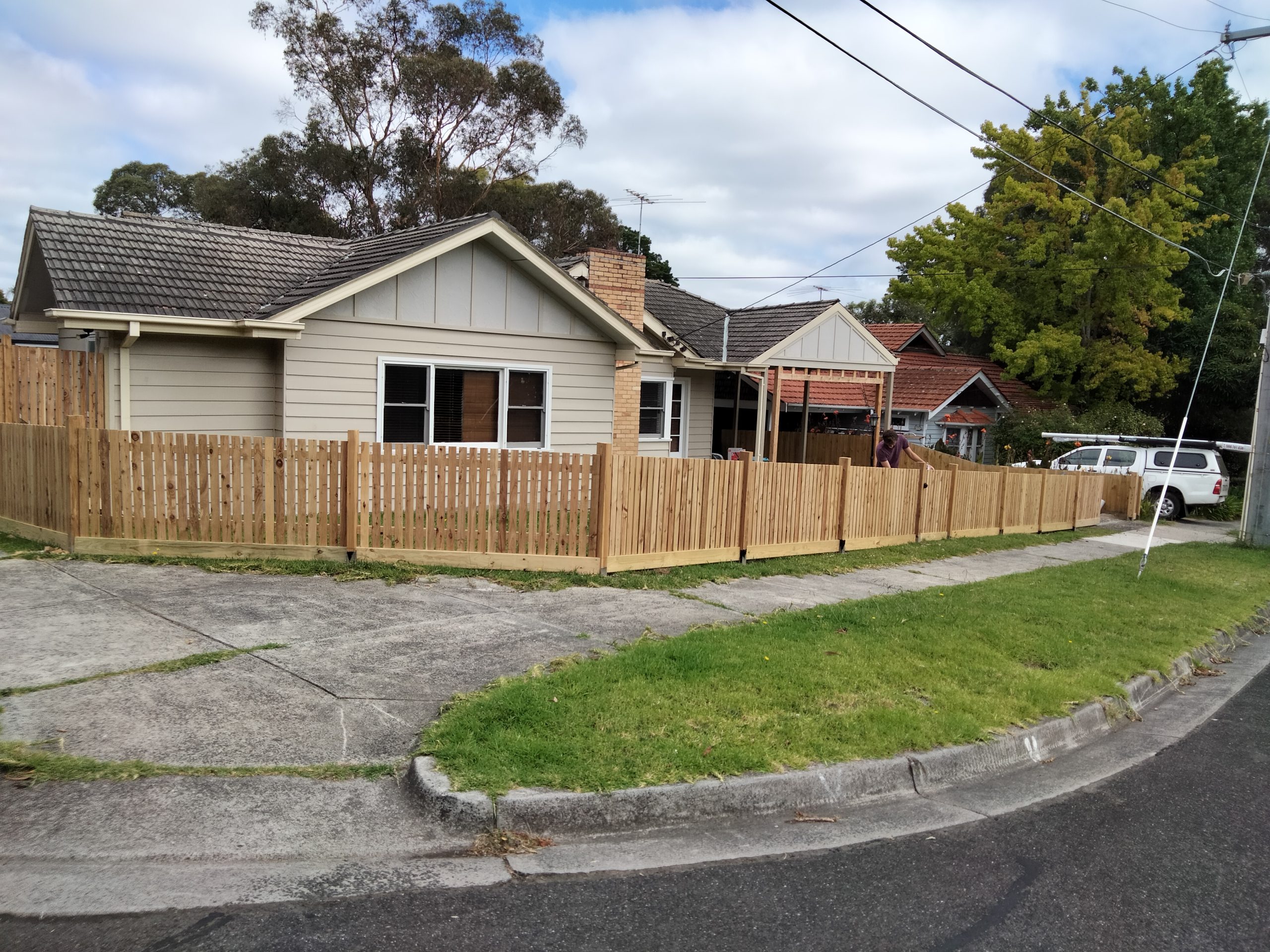
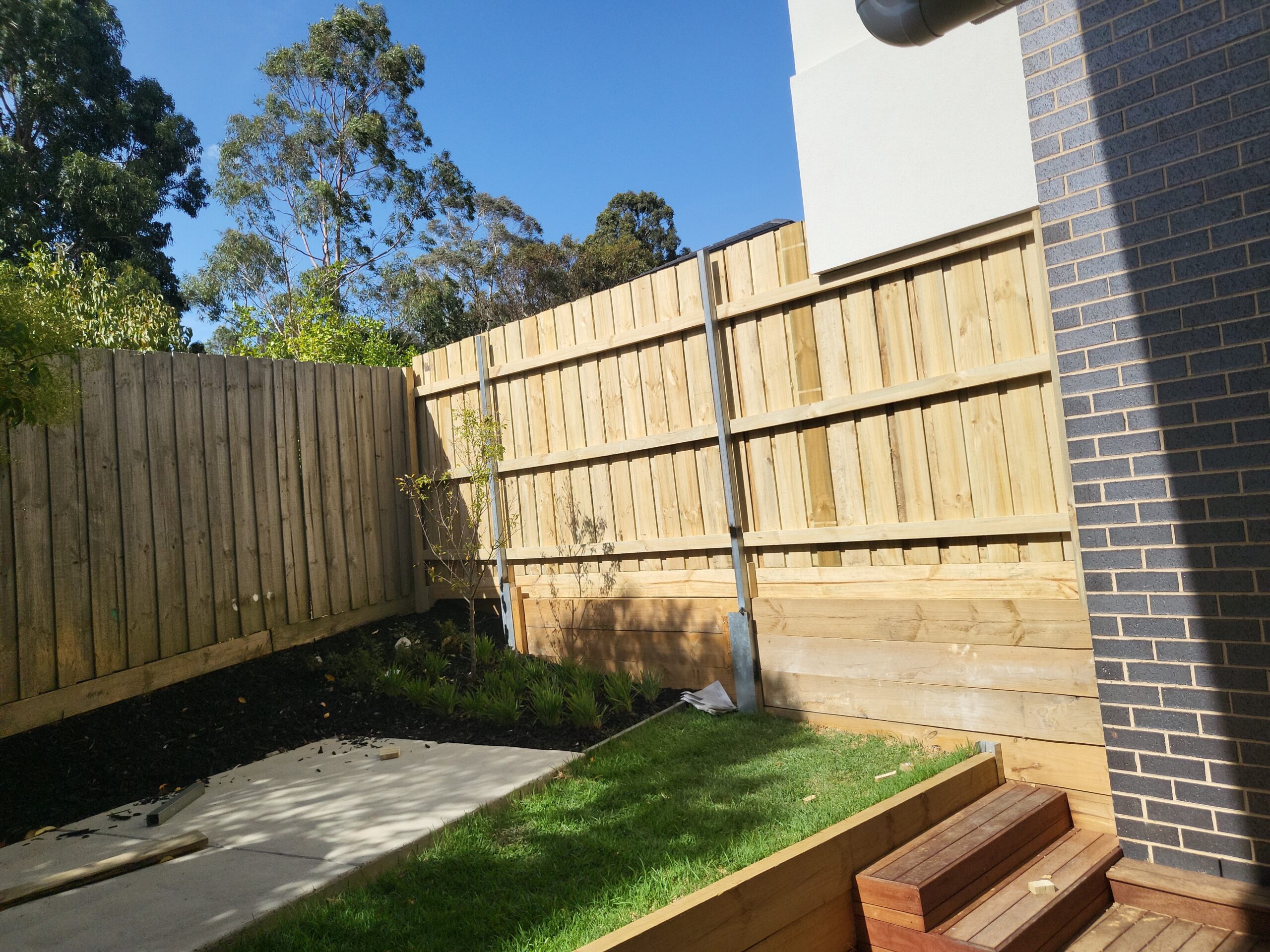
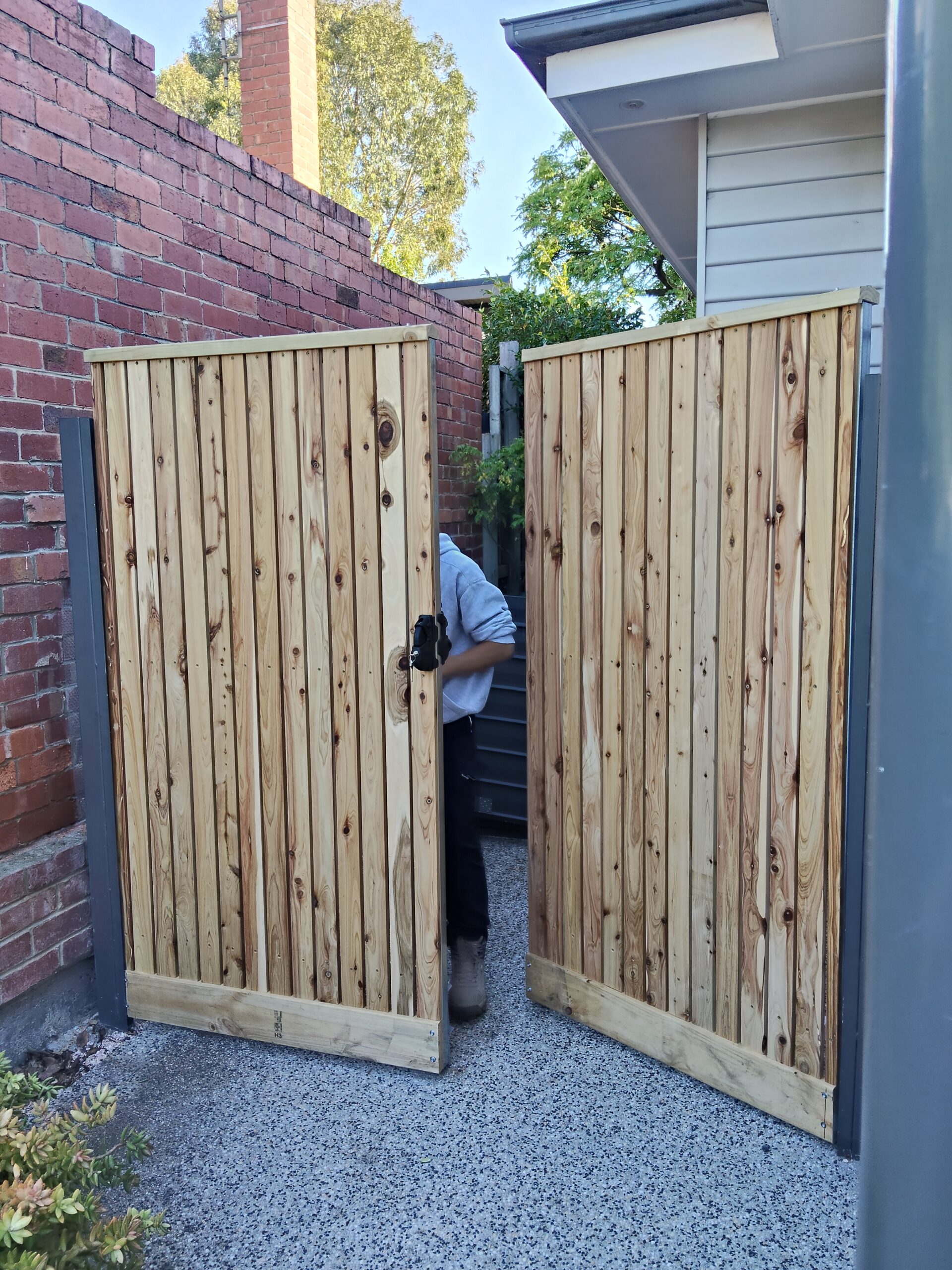
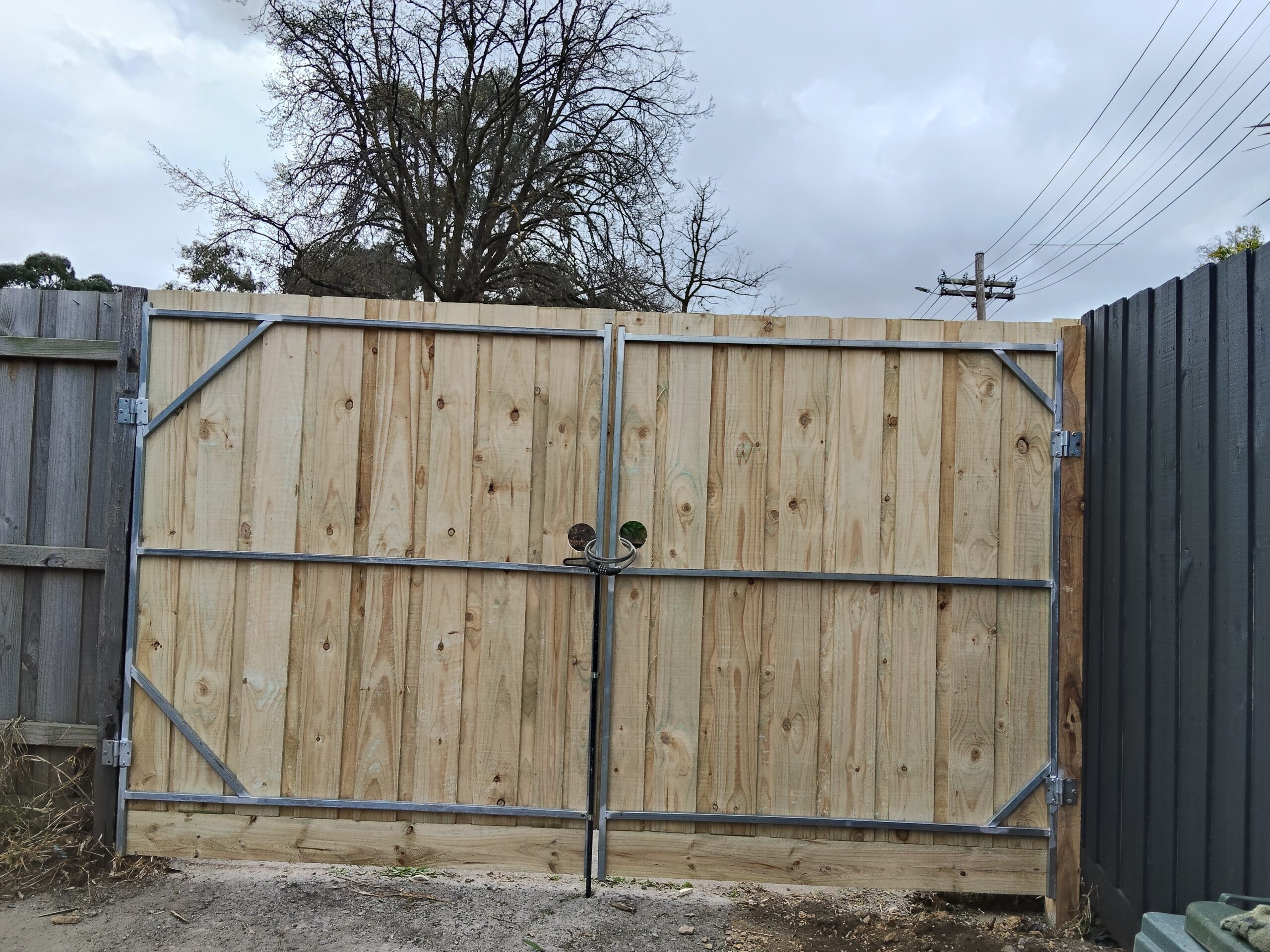
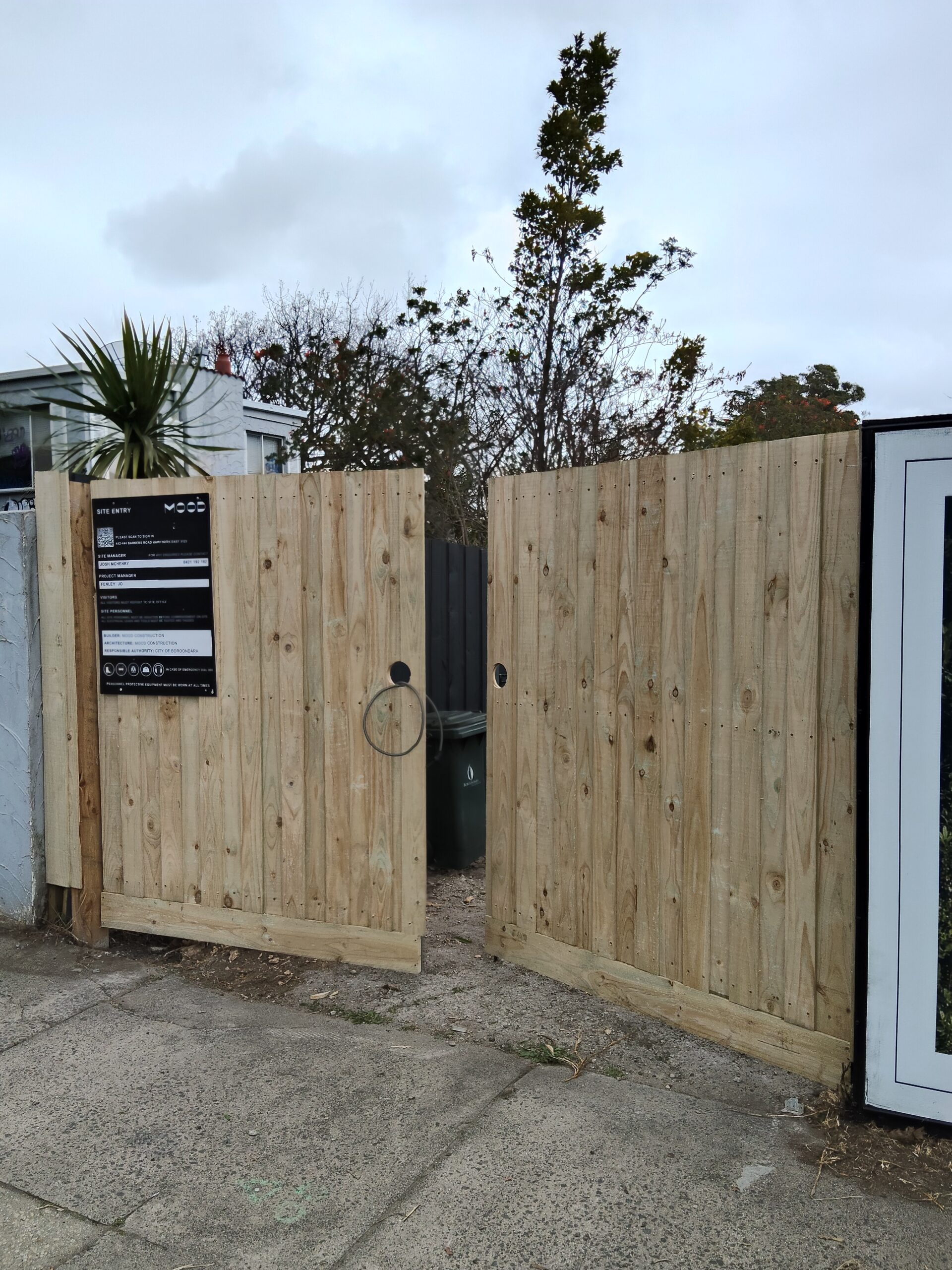
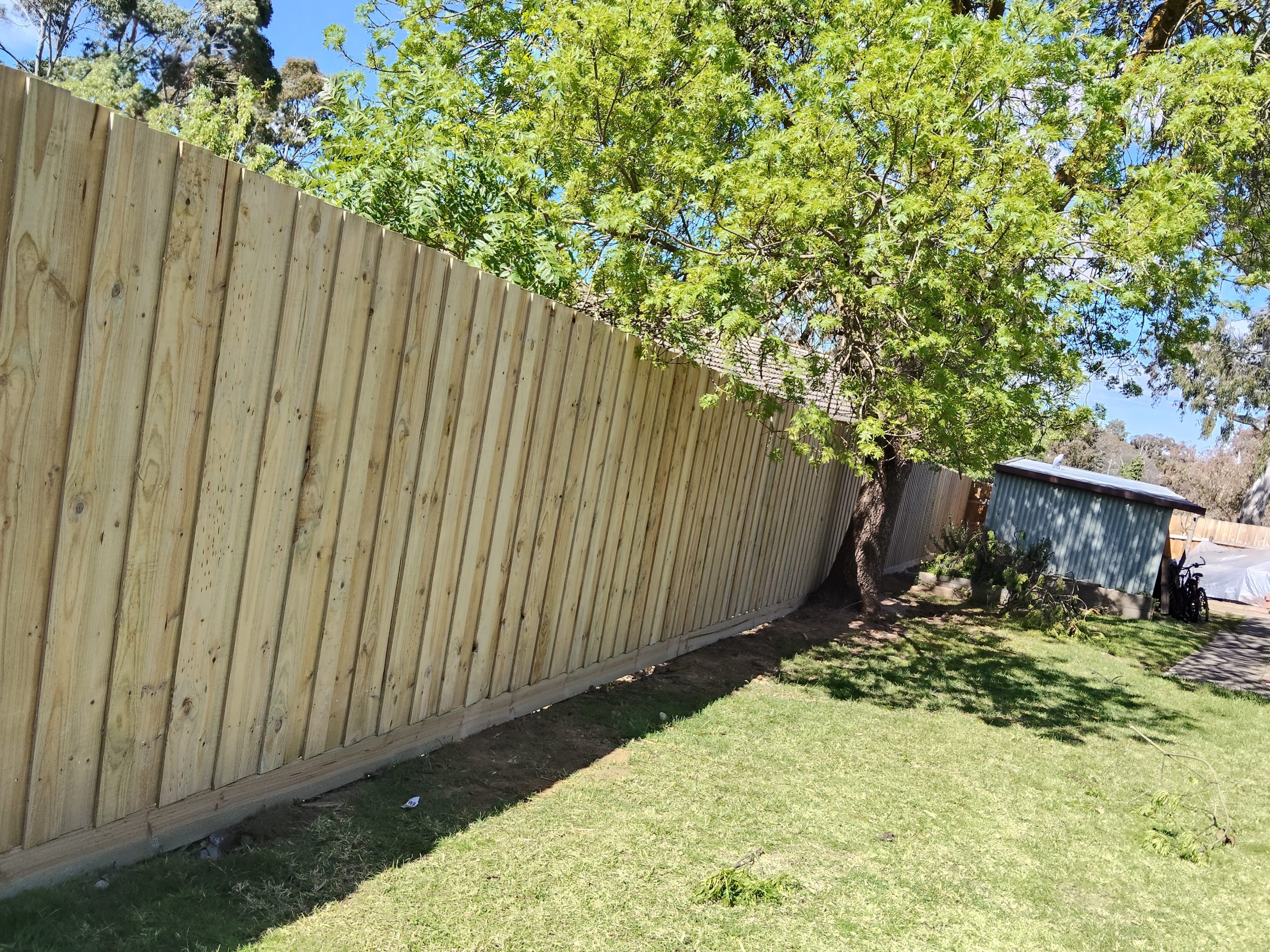
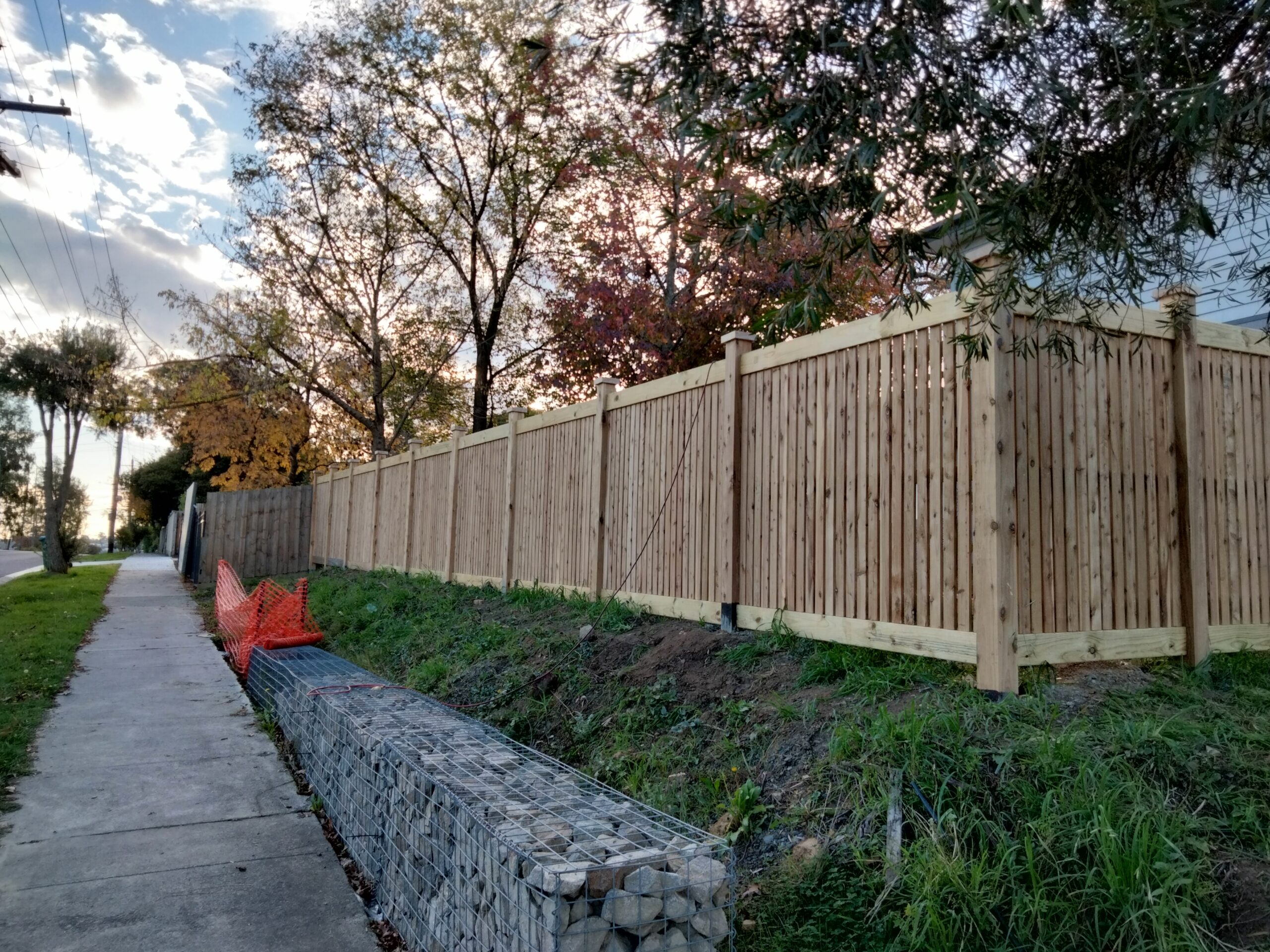
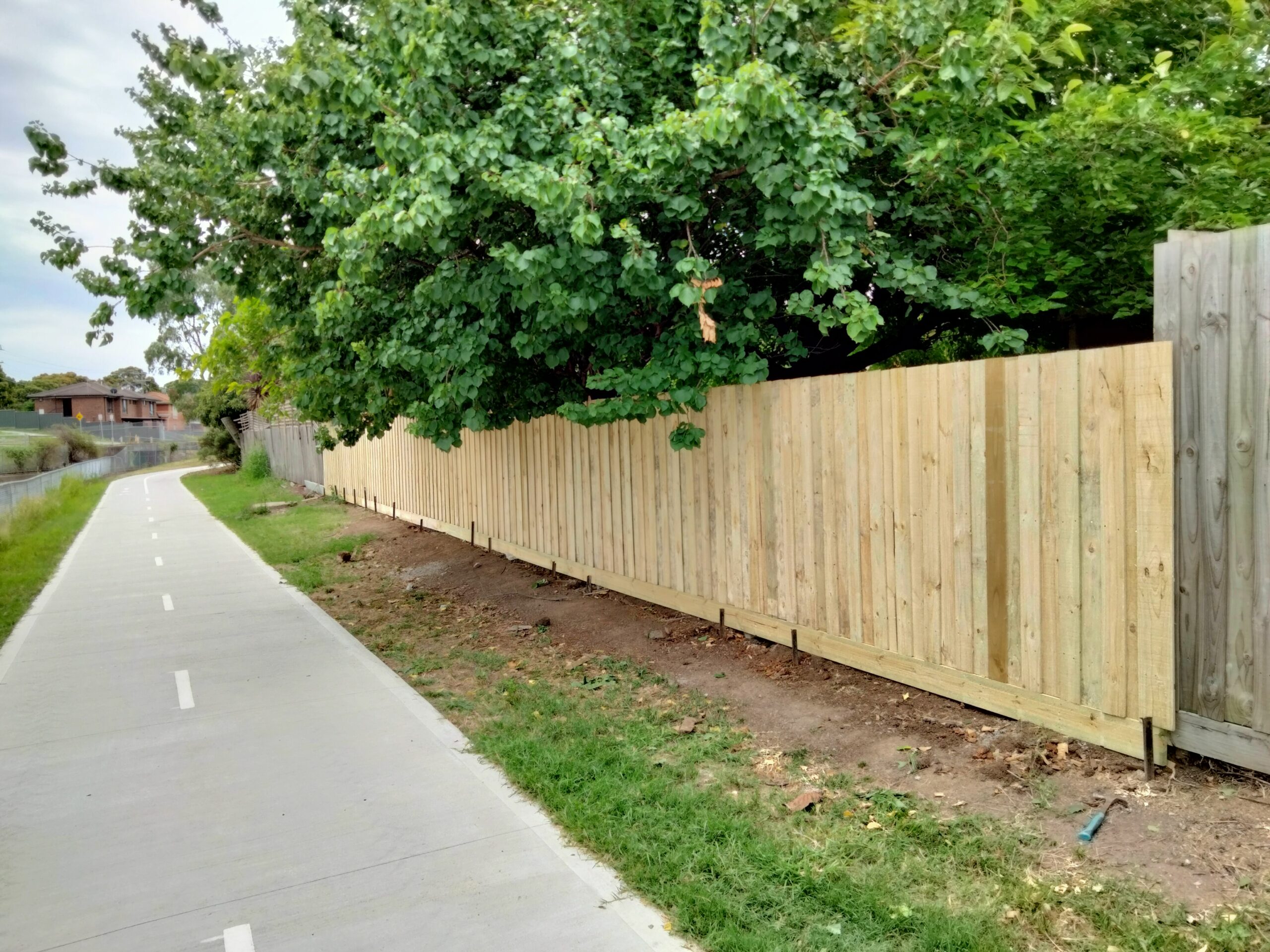
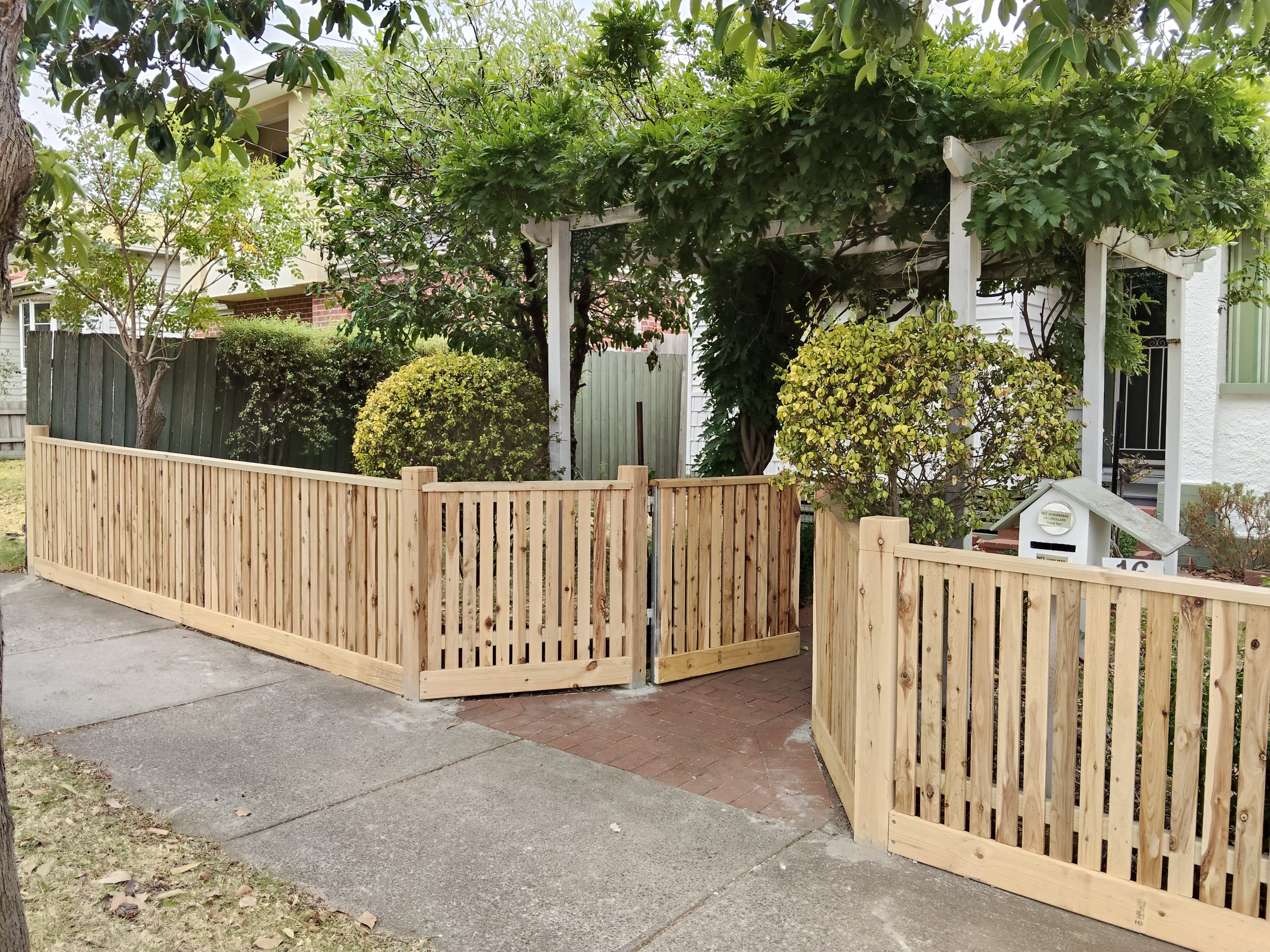
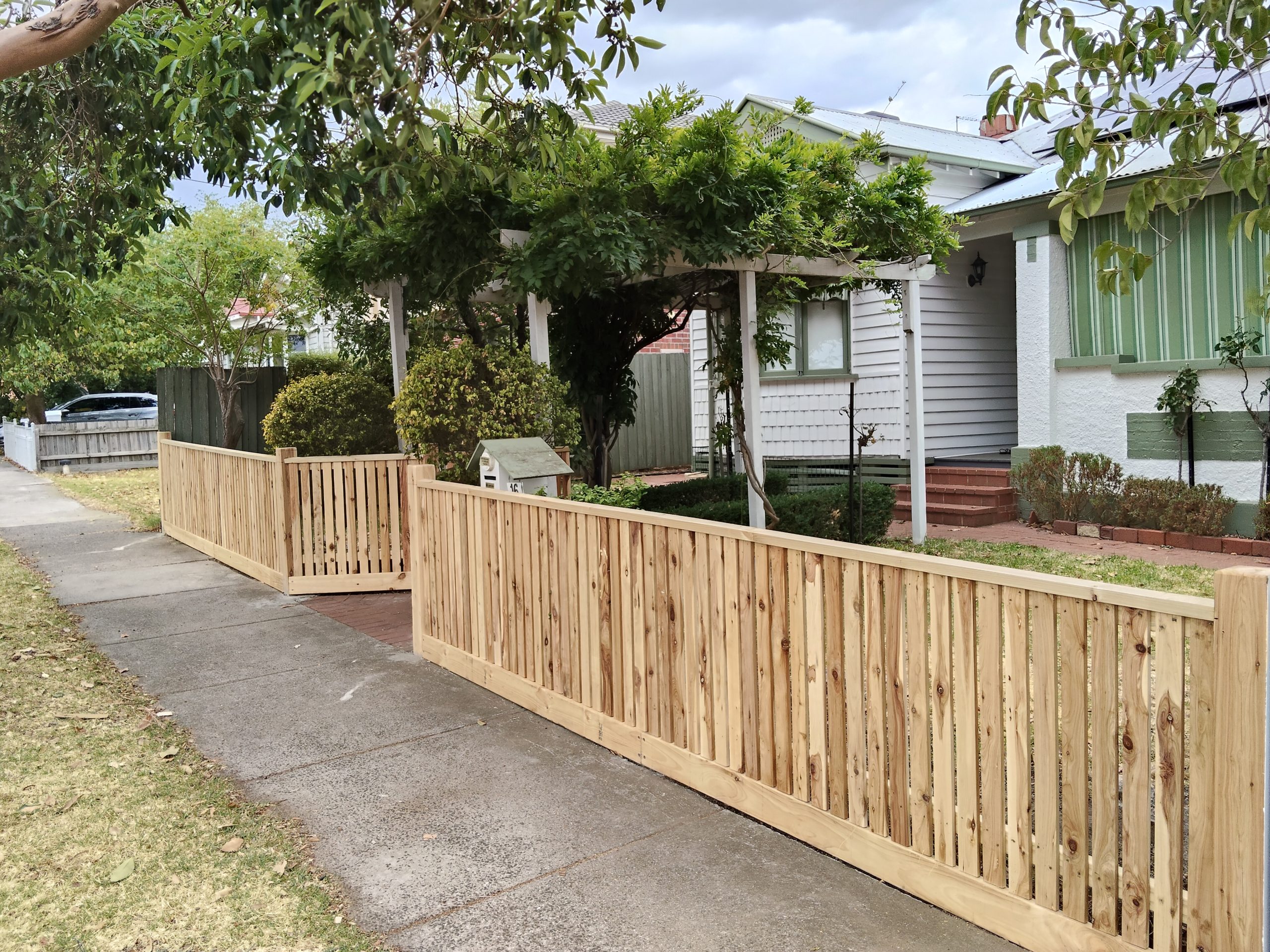
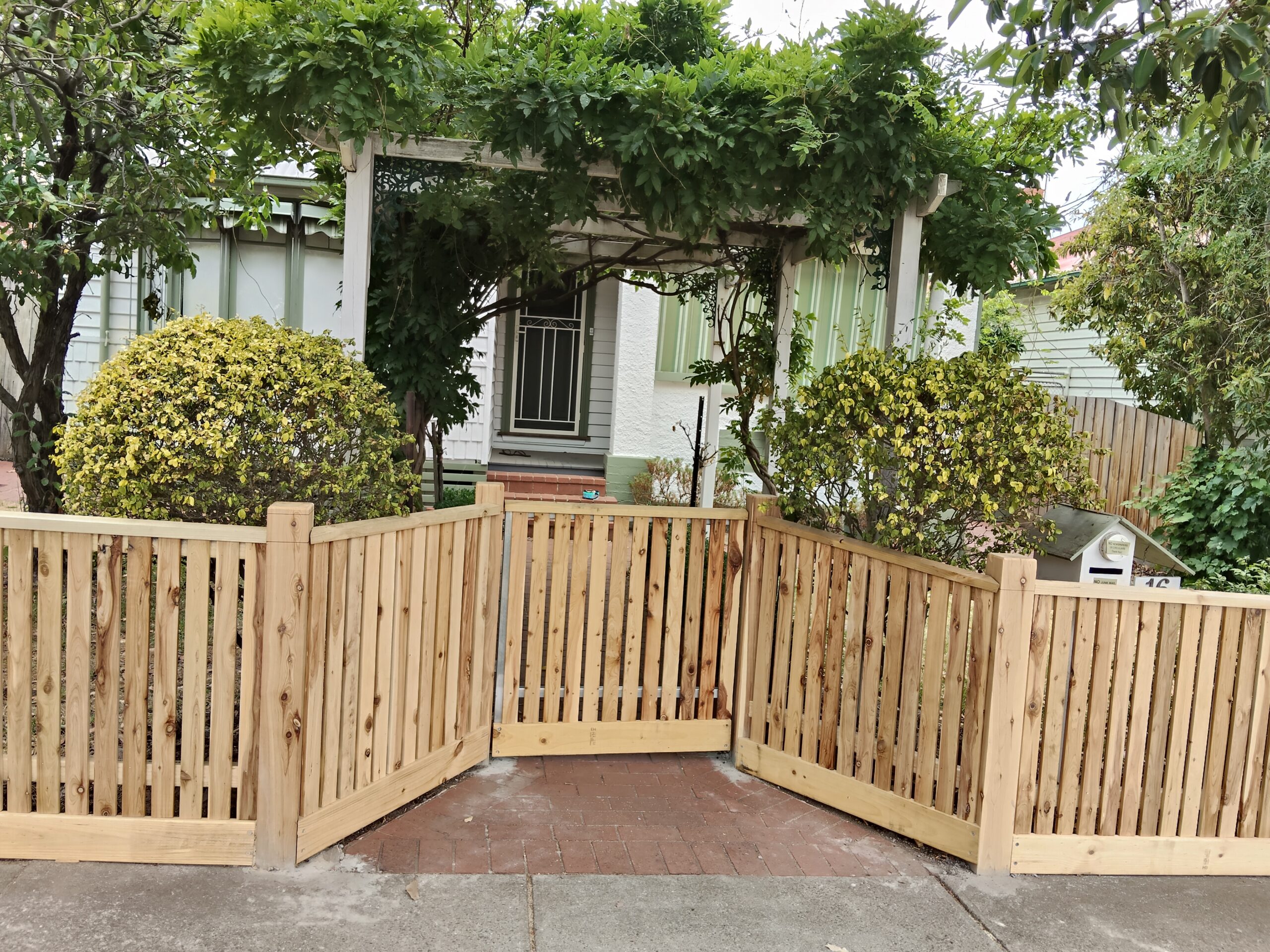
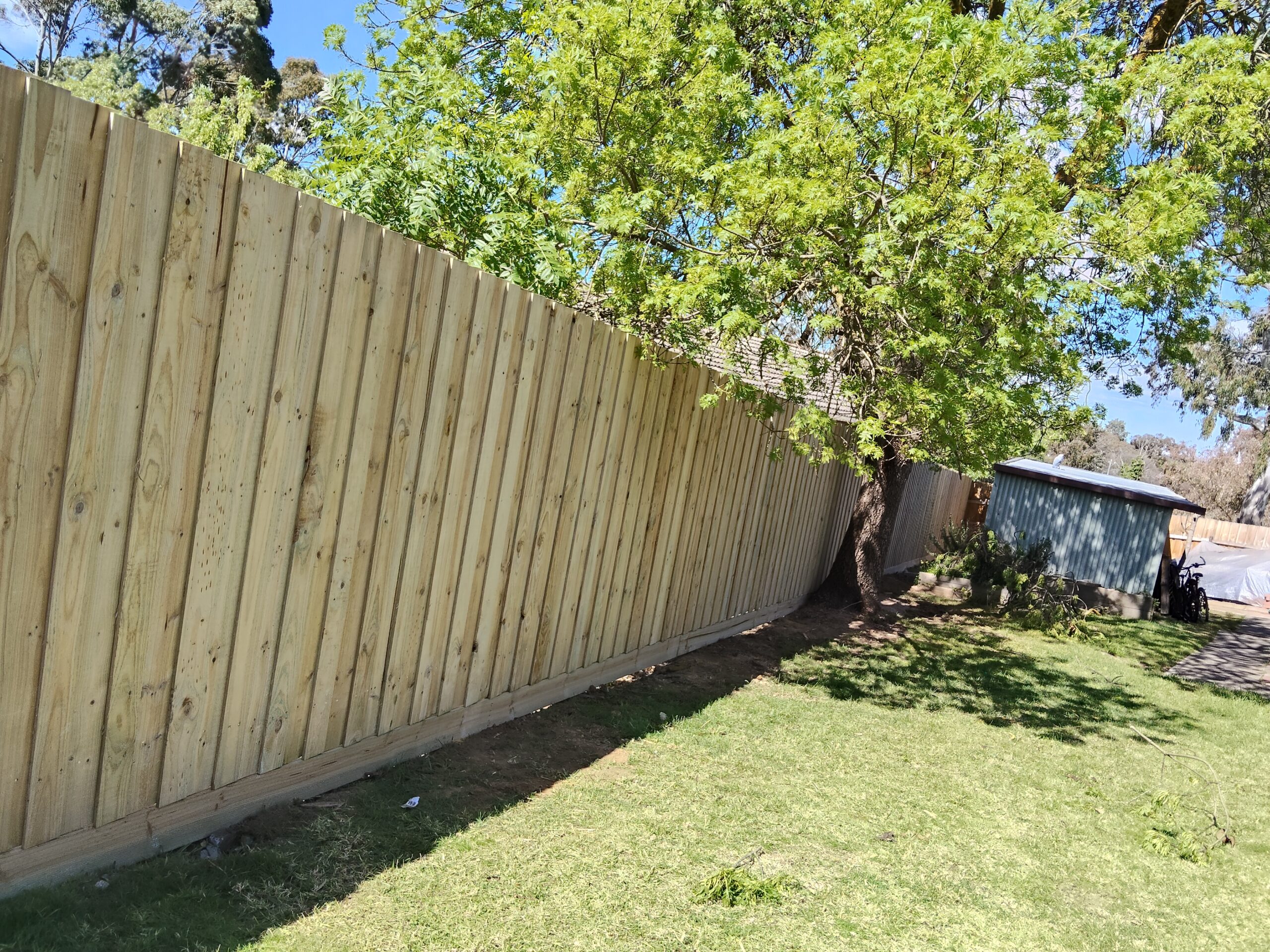
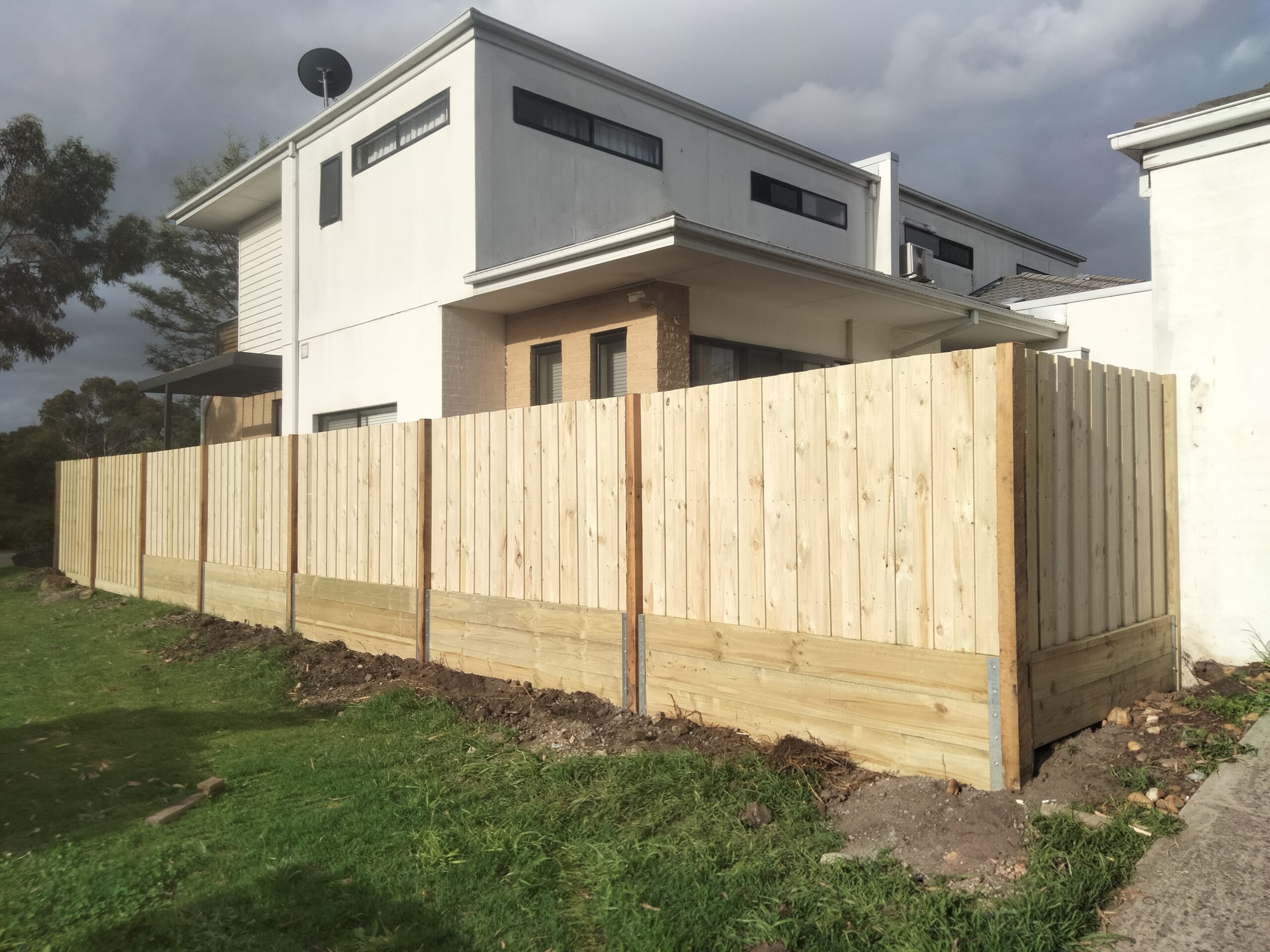
A residential fencing project focused on installing a durable timber boundary fence to improve privacy and clearly define property lines. The client wanted a clean, natural look that blends well with the surrounding outdoor space.
The Brief
The client required a timber fence that would:
- Provide full privacy between neighbouring properties
- Maintain a neat and uniform appearance
- Be cost-effective and long-lasting
- Suit the existing landscape
Our Approach
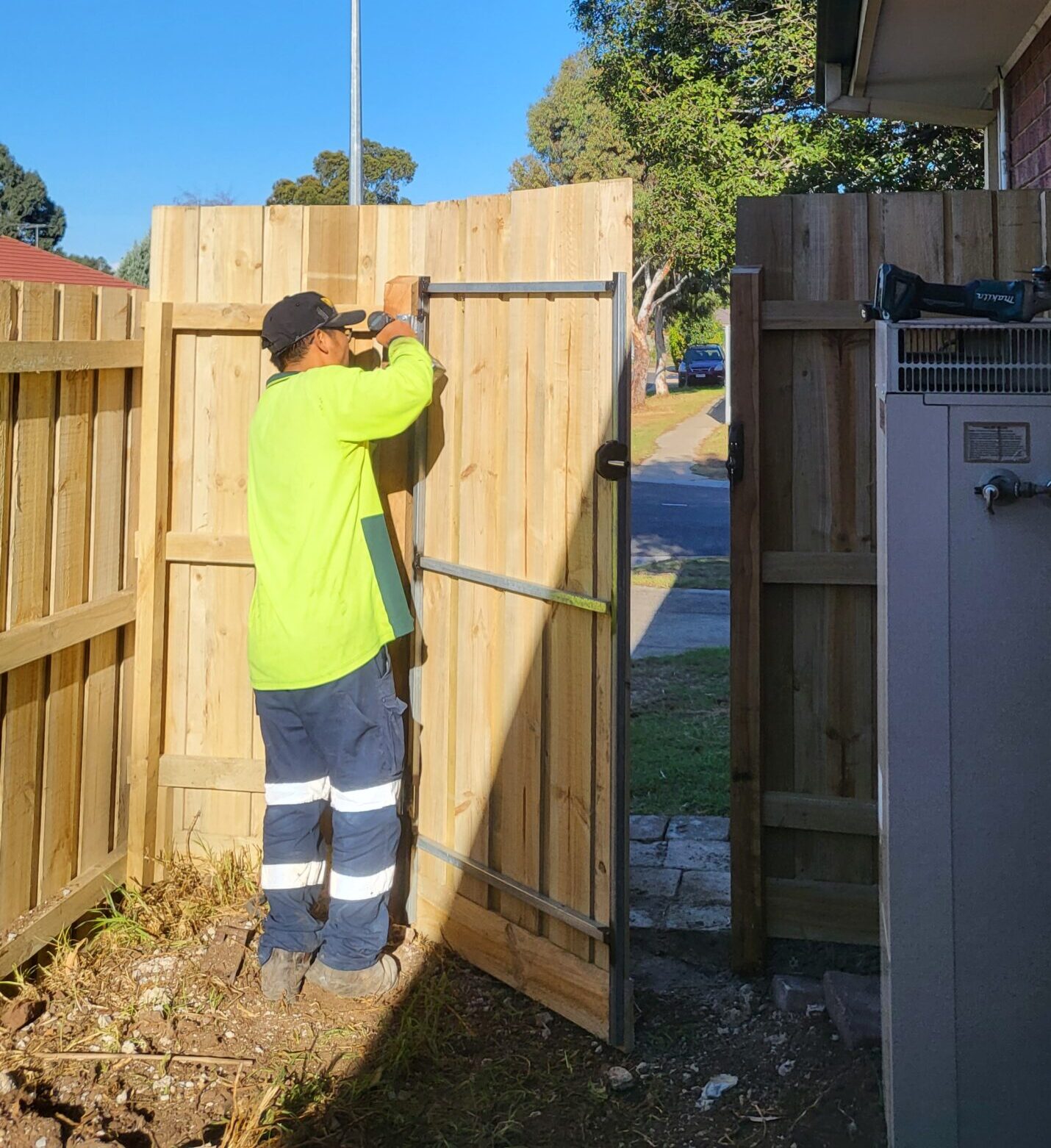
We recommended a standard timber paling fence with treated timber materials to ensure durability and resistance to outdoor conditions. The installation included properly aligned posts, secure fixings, and consistent spacing to achieve a clean and professional finish.
The Results
The completed fence provided excellent privacy and a natural aesthetic, significantly improving the overall look and functionality of the property.