Need a New Fence? Top Signs It Is Time for a Boundary Replacement
If you need a new fence, you are likely noticing warning signs along your property line every single day. Property owners often hesitate, wondering whether they can get away with minor repairs or if they truly need a new fence to protect their household. Recognizing the exact moment when your perimeter has crossed the point of no return is crucial for maintaining your home’s security, structural safety, and overall privacy.
A boundary structure does not last forever. Whether it is battered by severe seasonal storms, degraded by underground pests, or simply worn out by old age, there comes a time when patching up old panels is no longer financially viable. Below, we break down the definitive red flags that prove you need a new fence immediately to protect your family and asset value.
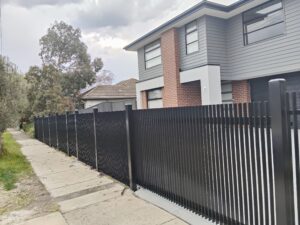
Need a New Fence Due to Visible Physical Damage
One of the most obvious indicators that you need a new fence is widespread, visible physical damage. While a single broken picket, a loose screw, or a rusty latch can be easily repaired over a weekend, systemic material failure tells a completely different story.
Rotting and Splintering Wood
If you have a traditional timber perimeter, moisture is your greatest enemy. Over time, constant exposure to heavy rain, wet soil, and high humidity leads to irreversible wood rot. This process often starts underground, hidden from plain sight, before creeping up to the surface.
If you notice the bottom of your fence posts turning soft, crumbling to the touch, or covered in white fungus, it is a clear sign you need a new fence. Patching up rotted wood is a temporary, superficial fix that fails to restore structural integrity. Once the internal fibers of the timber decay, the wood loses its load-bearing capacity entirely.
Rust and Corrosion on Metal Fences
For homeowners with chain-link, wrought iron, or budget metal fencing, severe rust is the ultimate dealbreaker. Light surface rust can occasionally be scraped away and repainted, but deep corrosion eats directly through the core metal, leaving sharp edges and gaping holes.
When the structural wire mesh or iron bars begin to flake, blister, and snap apart under minimal pressure, you officially need a new fence to maintain proper security. Rust also ruins your property’s visual appeal, making the entire home look neglected and uninviting.
Need a New Fence Due to Severe Structural Instability
A straight, upright structure is the hallmark of a healthy property boundary. Conversely, a perimeter that mimics the Leaning Tower of Pisa is shouting that you need a new fence before it collapses entirely onto the ground.
-
Compromised Fence Posts: The posts are the absolute backbone of your entire fencing system. If they are rotting underground or the concrete footings have cracked and shifted due to freeze-thaw cycles, the entire structure loses its vertical support.
-
Soil Erosion and Environmental Shifting: Severe storms, poor backyard drainage, shifting foundation soil, or heavy wind loads can displace the underground concrete bases over time, causing a domino effect across all panels.
If multiple panels are leaning or swaying violently during a mild afternoon breeze, repairs will likely cost just as much as a total replacement. It’s time to accept that you need a new fence before the next big storm blows it entirely into your neighbor’s yard, creating a liability hazard.
Need a New Fence Due to Escalating Maintenance Costs
Are you spending every other weekend replacing broken pickets, hammering loose nails, or applying fresh coats of heavy chemical stain just to keep your boundary standing? Take a step back, look at your calendar, and calculate your monthly and yearly expenses.
-
Scenario 1: Minor Damage
-
Maintenance Cost: Low (Single isolated repair or quick gate realignment)
-
Longevity: Long-term durability remains intact
-
Final Action: Repair immediately to extend lifespan
-
-
Scenario 2: Frequent Issues
-
Maintenance Cost: Medium (Monthly continuous fixes on different sections)
-
Longevity: Short-term stability only
-
Final Action: Start budgeting for a replacement project
-
-
Scenario 3: Systemic Failure
-
Maintenance Cost: High (Continuous spending on new timber, metal brackets, and hired labor)
-
Longevity: At high risk of immediate collapse
-
Final Action: You definitely need a new fence
-
When the cumulative cost of replacement parts, specialized structural tools, and your valuable personal time exceeds the cost of a modern, low-maintenance installation, the financial math is incredibly simple. Investing in a durable material will save you thousands of dollars in the long run.
Expert Tip: You can evaluate standard local contractor installation fees by checking out our comprehensive pricing guide on [Internal Link: Step-by-Step Guide to Estimating Total Fence Installation Costs] to budget accurately.
Need a New Fence Due to Gaps and Warping Panels
Changes in seasonal temperature and environmental humidity cause construction materials to expand and contract constantly. Over the years, this natural cycle takes a heavy toll, particularly on lower-quality raw wood or thin, unrated PVC.
-
Warping and Bowing: Wooden rails and structural boards twist out of shape as they dry unevenly, pulling violently away from the screws and nails holding them together.
-
Large Gaps: As panels warp, shrink, and pull apart, large gaps open up along your boundary line, completely destroying your home’s privacy.
These gaps compromise the primary functions of a boundary wall: privacy and containment. If you can see directly into your neighbor’s backyard through warped slats, or if your small pets can easily squeeze through the newly formed gaps, you undoubtedly need a new fence. Furthermore, warped materials put uneven pressure on the remaining healthy panels, accelerating the destruction of the entire perimeter.
Need a New Fence Because Your Pets Are Escaping
If you have dogs, cats, or other outdoor pets, your boundary fence acts as their primary safety barrier. Animals are incredibly perceptive; they will quickly spot any mechanical or structural weakness in your perimeter and exploit it.
Have you noticed your dog digging under large gaps caused by soil erosion? Are they pushing their heads through loose, saggy chain-link mesh? Or perhaps your growing pup can now easily jump over a low, outdated four-foot barrier? The moment your backyard security is compromised, you need a new fence.
Protecting your beloved pets from busy streets, wild animals, and preventing them from wandering off into the neighborhood should be a top priority for every homeowner. For official guidelines on animal containment and property safety standards, you can review the RSPCA official animal enclosure guidelines to ensure your new structure meets all welfare criteria.
Need a New Fence to Fix Privacy and Security Issues
A boundary fence is your home’s first line of physical defense against the outside world. If your current setup makes you feel exposed to onlookers or vulnerable to intruders, it completely defeats its own purpose.
The Rise of Neighborhood Development
If your old, short, or semi-transparent fence leaves your family dinner, children’s play area, or pool sessions on full display due to new multi-story developments or expanded roads nearby, you need a new fence designed specifically for maximum acoustic and visual privacy. Modern solid panels can significantly cut down on neighborhood noise pollution.
Security and Crime Prevention
An old, fragile perimeter is an open invitation for intruders and trespassers. Criminals look for easy targets—properties with broken latches, loose panels, or rotting wood that can be easily pushed down with a single kick. Upgrading to a taller, sturdier, and seamless boundary system instantly boosts your home’s security, deters crime, and gives your family peace of mind.
Need a New Fence to Resolve Heavy Boundary Disputes
Boundary lines can sometimes be a direct source of friction between neighbors. When an old structure begins to fall apart, it forces an awkward conversation with your neighbor about sharing the replacement and labor costs.
If you are dealing with boundary discrepancies, preparing to sell your land, or planning a new comprehensive landscape layout, replacing the old barrier is the cleanest way to reset the relationship and protect your legal rights. For legal clarity on how to handle these situations, it is highly recommended to consult the Law Society property boundary regulations before tearing down any shared structures or hiring contractors.
Need a New Fence to Restore Broken Curb Appeal
Never underestimate the psychological and financial power of curb appeal. If your fence looks weathered, severely stained, outdated, or completely mismatched with your home’s modern architecture, it drags down the visual and monetary value of your entire estate.
If you are planning to put your home on the market soon, real estate experts agree that first impressions matter immensely to potential buyers. A dilapidated perimeter can deter high-paying buyers before they even step inside your front door. Replacing it with a sleek, contemporary design adds immediate market value, helps your property stand out for all the right reasons, and allows you to command a much higher asking price.
How to Choose Materials When You Need a New Fence
Once you accept that you need a new fence, the next critical step is choosing the right material and architectural style for your unique lifestyle and local climate.
-
Vinyl (PVC) Fencing: Vinyl has skyrocketed in popularity because it requires virtually zero maintenance. It does not rot, warp, rust, or fade under intense sunlight. A simple hose-down once a year keeps it looking brand new.
-
Colorbond and Modular Steel: For ultimate structural durability, fire resistance, and 100% privacy, pre-painted steel panels offer a sleek, modern look that easily withstands harsh weather conditions and destructive pests like termites.
-
High-Quality Treated Timber: If you still prefer the timeless, natural look of wood, opt for premium pressure-treated timber or hardwood varieties. Ensure they are professionally treated against termites and deep moisture, and be prepared to seal or stain them every few years.
Material Selection Tip: To discover the major pros and cons of each specific material choice for residential homes, read our specialized comparison guide: [Internal Link: Iron vs. Wood vs. Composite: Which Fencing Material Lasts the Longest].
Conclusion: Plan Your Budget When You Need a New Fence
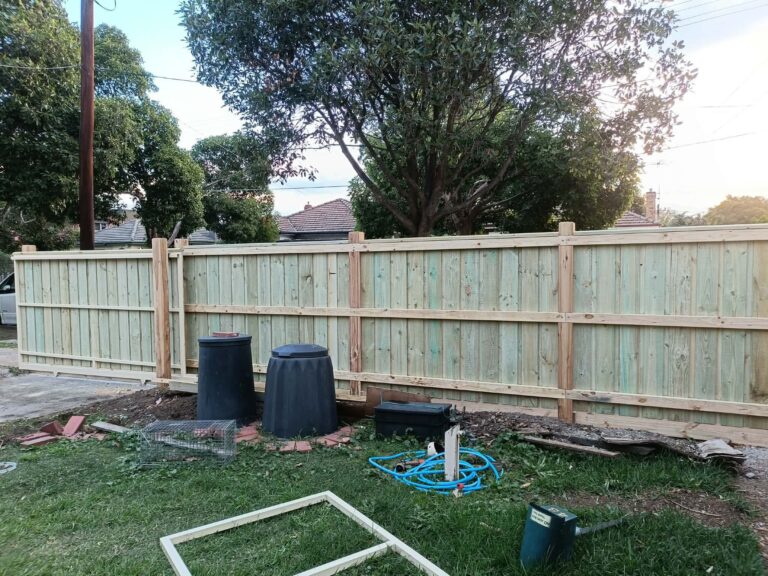
Recognizing the early warning signs that you need a new fence saves you thousands of dollars, weeks of wasted time, and immense emotional stress. Whether your ultimate decision is driven by physical wood rot, severe structural leaning, escaping pets, or a desire for better family privacy, upgrading your perimeter is a highly rewarding home improvement project.
Don’t wait for a severe storm to completely flatten your old boundary line and create an overnight emergency; be proactive, evaluate your property lines, and invest when you need a new fence to ensure safety, beauty, and peace of mind for many years to come. If you want to handle the preparation phase yourself, learn from the pros by viewing our detailed framework on [Internal Link: How to Prepare Your Property Ground Before Fence Installation].