Detailed Analysis of the Project
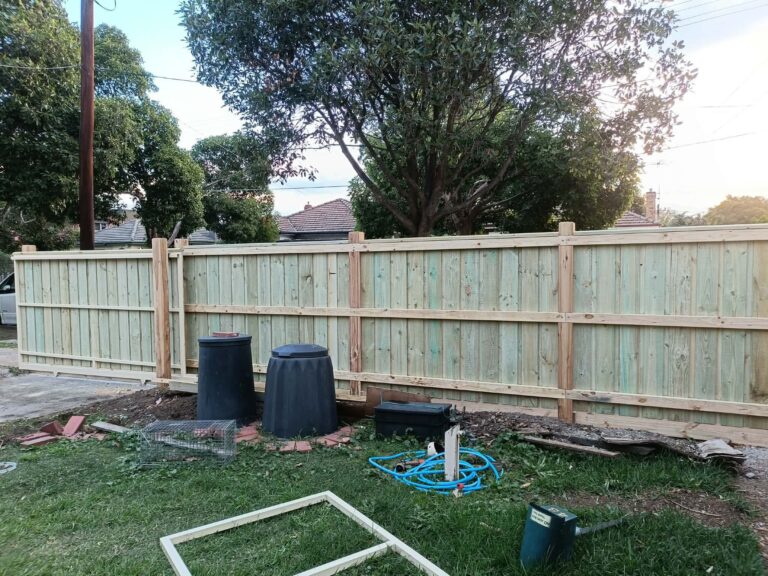
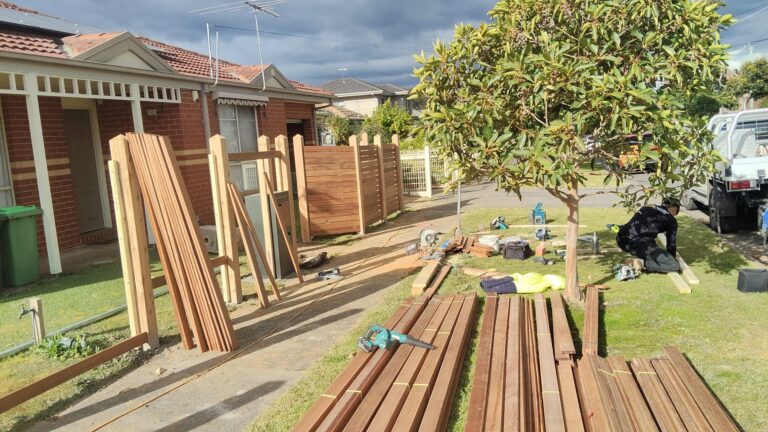
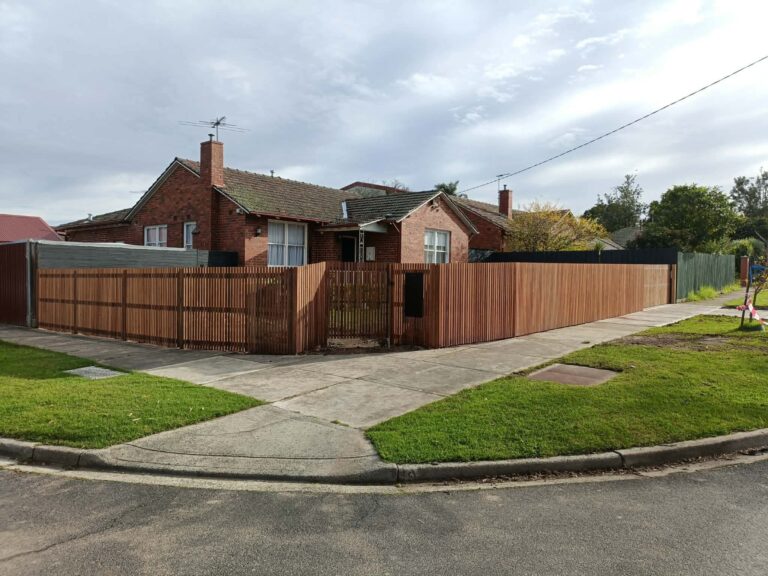
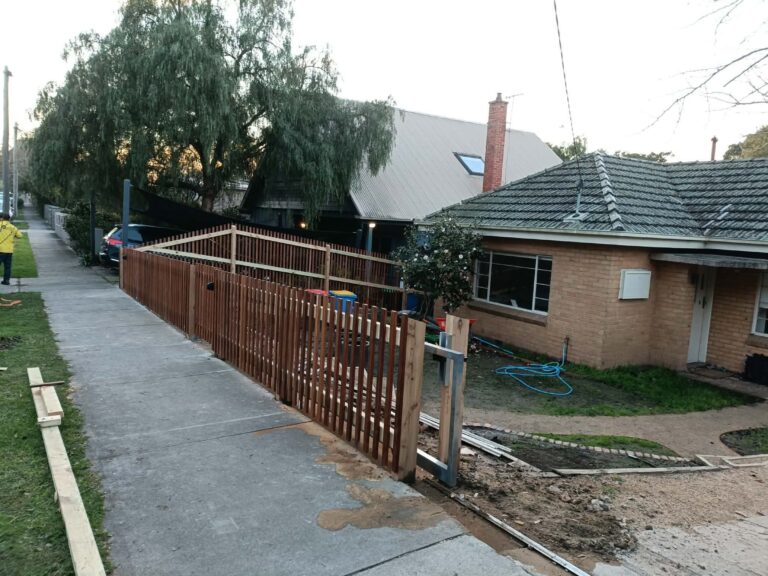
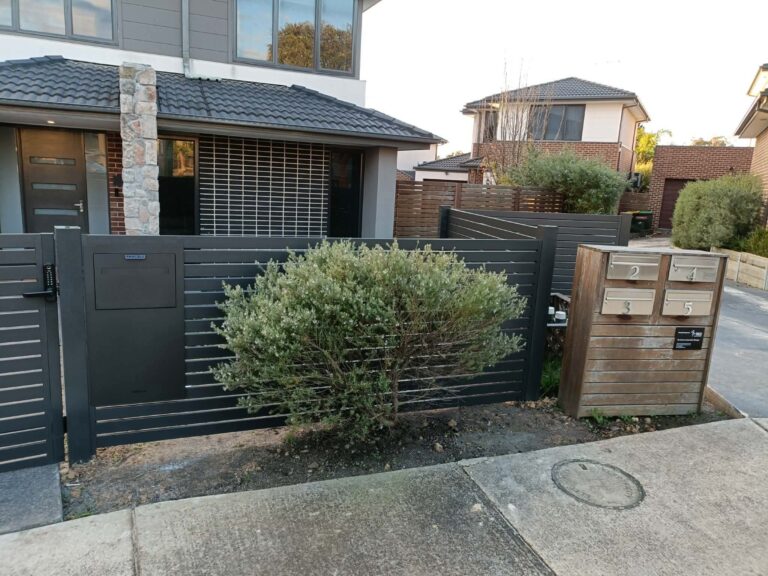
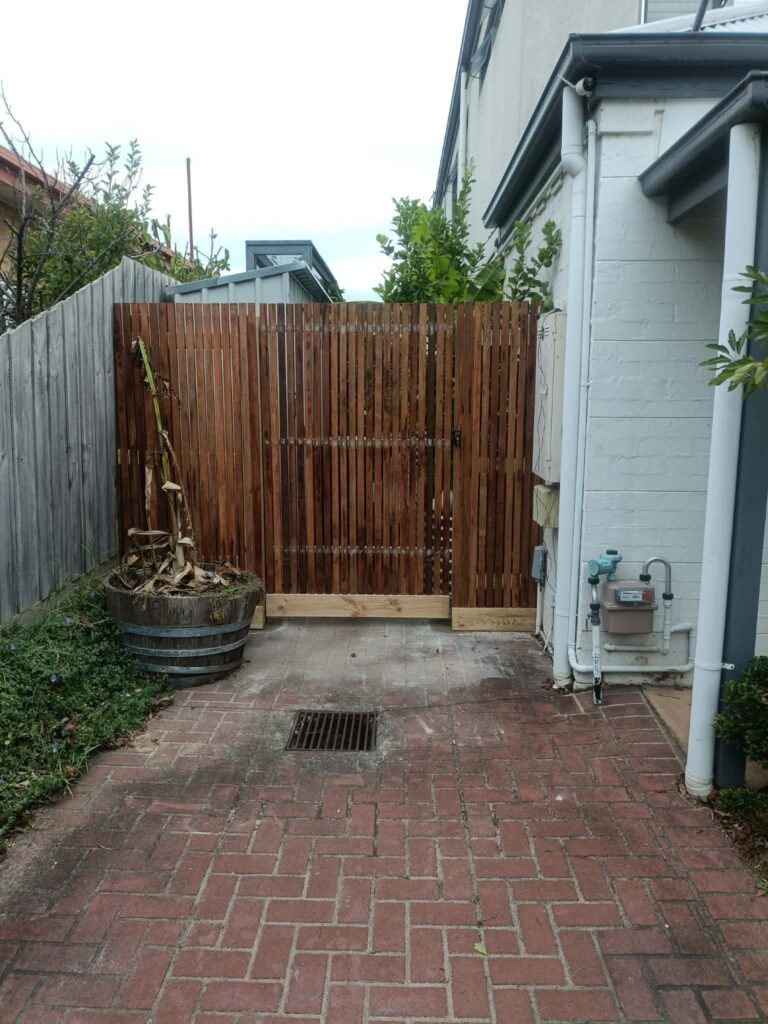
The displayed design features a rustic, natural aesthetic achieved with timber slats complemented by a subtle finish. The color and texture bring out the intrinsic grain of the wood, creating an inviting and warm appearance. This type of design is ideally suited for Melbourne suburban homes because it seamlessly blends with both modern and traditional architecture. The use of timber grain provides a neutral backdrop that can accommodate various landscaping styles, from lush greenery to minimalist stone yards.
The posts and the base are crafted with a keen eye for balance and symmetry, ensuring the structure remains firm and visually appealing. Capping adds both an aesthetic value and a functional role in preventing water ingress, prolonging the durability of the timber. The height of this installation offers privacy without compromising the flow of natural light, an essential factor in Melbourne’s densely populated suburbs where space can be limited yet precious.
Comprehensive Material Deep-Dive
Colorbond Steel
Colorbond steel has long been a preferred choice for Melbourne fencing due to its high durability and low maintenance. It is made with a galvanized base and finished with a powder coating, which makes it highly resistant to chipping, fading, and scratching. This steel offers excellent fire resistance and is ranked highly in BAL (Bushfire Attack Level) ratings essential for Victoria’s varied landscape, where fire risks can be significant in some areas.
Timber (Treated Pine/Spotted Gum)
Timber remains a classic choice for many homes due to its natural aesthetics and warmth. Treated pine is often used for its affordability and decent durability, although it requires regular maintenance to prevent decay and termite infestation. On the other hand, spotted gum offers superior durability and a premium appearance but at a higher price point. It’s crucial to ensure that timber is sourced sustainably, and using it often involves re-staining and sealing to enhance lifespan.
Aluminium Slats
Aluminium slats are popular in contemporary designs and provide a great balance between aesthetics and function. They are light, corrosion-resistant, and don’t warp over time. Aluminium is an excellent solution for urban Melbourne environments where sleek, modern design meets practicality. Additionally, its cost is moderate when considering installation and long-term maintenance.
Glass
Glass fencing is often associated with high-end properties and provides unobstructed views that enhance the space’s openness. While more expensive, glass panels are highly durable and chemically treated for strength and safety. They are suitable for pool areas and backyards where maintaining a view is a priority. However, they require regular cleaning due to exposure to environmental elements like rain and dust.
Melbourne Council & Legal Regulations Guide
Understanding local fencing laws is crucial. In Melbourne, the Fences Act 1968 dictates the requirements and processes involved in erecting a new fence. Crucially, it emphasizes mutual agreements between neighbors, who must share the costs fairly unless a specified arrangement is written otherwise.
Regarding height regulations, most councils, including Whittlesea, Hume, and Moreland, mandate a maximum height of 2 meters for fences without obtaining additional permits. Exceeding this height often requires special permissions to ensure neighborhood conformity and aesthetic appeal.
For construction, determining the actual boundary line is vital to avoid disputes. Councils provide resources or may recommend surveyors to ascertain the boundary. Understanding dividing fence notices help to notify your intent to construct or repair a fence, facilitating smoother neighbor relations.
Professional Step-by-Step Installation Workflow
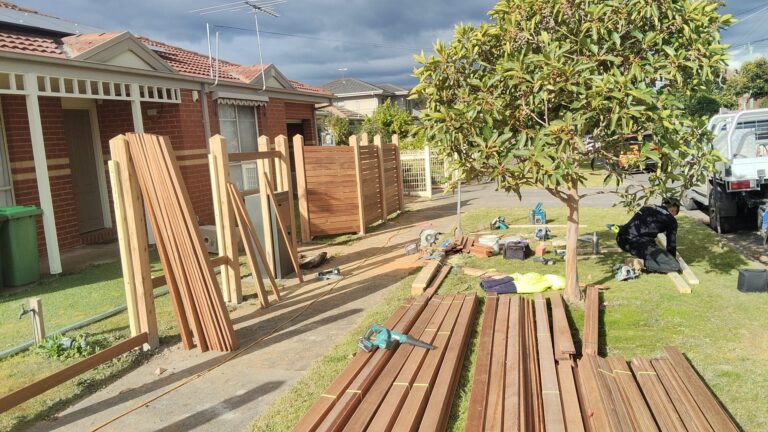
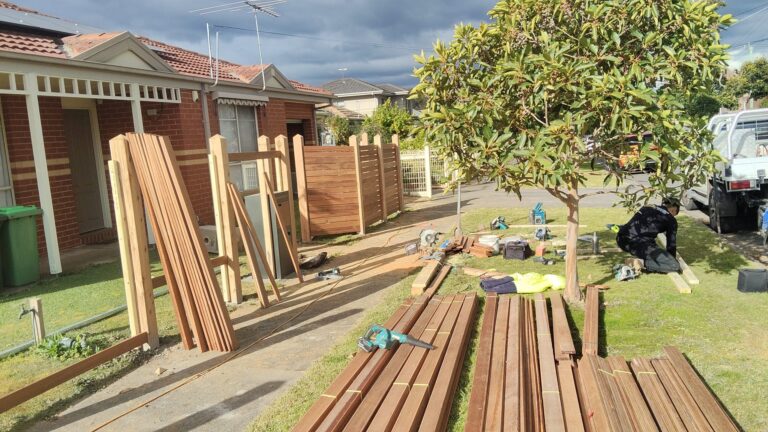
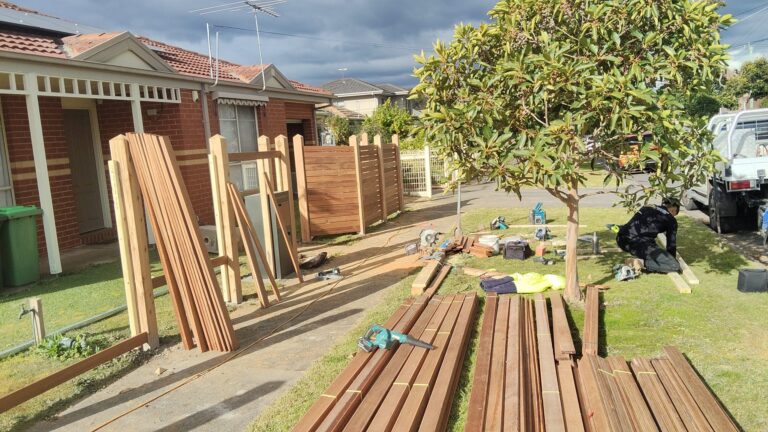
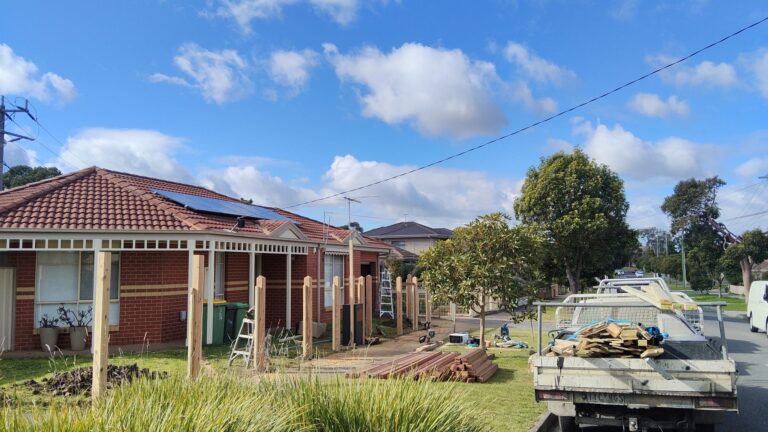
To ensure stability and longevity, proper post-hole digging is crucial, typically requiring a depth of about 600mm, depending on soil conditions. Concrete footings are then used to set the posts, usually a mixture of cement, sand, and aggregate, providing a strong anchor for the fence. Thorough levelling of each post ensures that the fence remains visually consistent.
Post spacing is essential, generally ranging from 1.2 to 2.4 meters, to balance tension and support. Once the posts have achieved structural integrity, panels are inserted, ensuring they are not tightly fit to allow for natural expansion due to temperature shifts. Curing times may vary, but allowing concrete at least 24 to 48 hours to set can prevent early movement, ensuring stability.
Weatherproofing & Long-Term Care for Melbourne Weather
Melbourne’s unique climate, characterized by its ‘four seasons in one day’, poses particular challenges for fences. Ensuring moisture protection is paramount, particularly for timber, which may swell and contract with humidity changes. Use of high-quality sealants can protect timber from excessive moisture.
UV defense is another important consideration, particularly for materials like timber and Colorbond steel, which, although more resistant, can still be affected over time by prolonged sun exposure. Consistent re-staining and applying UV-resistant coatings will lengthen the life of the fencing material.
Rust prevention is vital, particularly with metal components, where water presence can cause corrosion. Regular inspection and maintenance, including cleaning and applying anti-rust treatments, are advisable.
Expanded FAQ & Call to Action
- What is the cost of a timber fence per meter in Melbourne? Costs can vary based on material type, but timber fences typically range from $75 to $120 per meter.
- Do I need a permit for my front yard fence? Generally, front yard fences not exceeding 1.5 meters in height do not require a permit, but it is always good to check specific council regulations.
- How do I handle fencing disputes with my neighbor? Start with an open discussion, referencing the Fences Act 1968 for guidelines. Mediation can be sought if direct negotiation fails.
- Can I build my fence higher than 2 meters? Yes, but it requires council approval due to implications on light and neighborhood aesthetics.
- How often should I re-stain my timber fence? Re-staining should ideally occur every 2-3 years, depending on exposure levels to the sun and rain.
Interested in upgrading your fencing? Reach out to Gravity Fencing & Gates for the best advice and services in Melbourne. Get a Free Quote today and transform your property!