Detailed Analysis of the Featured Project/Fencing Style
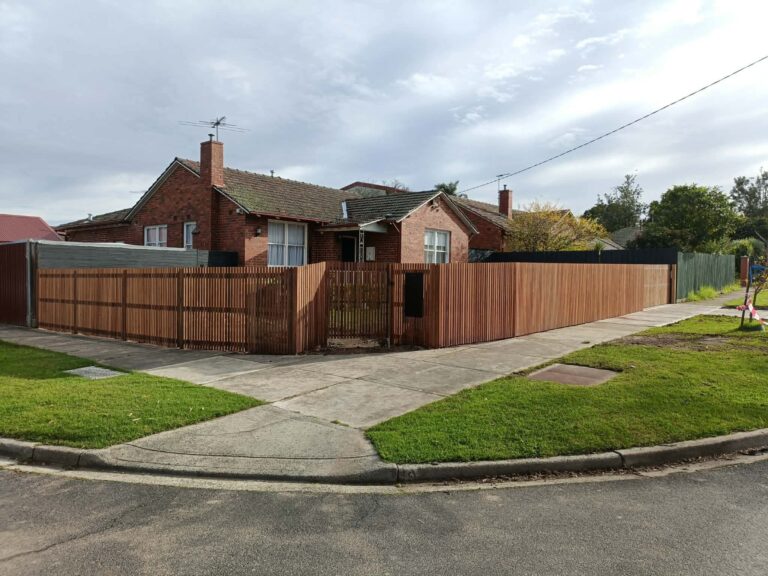
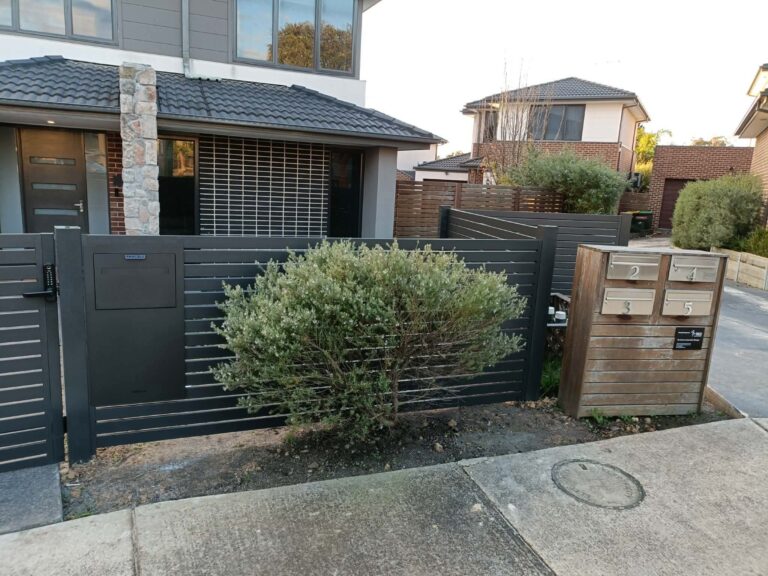
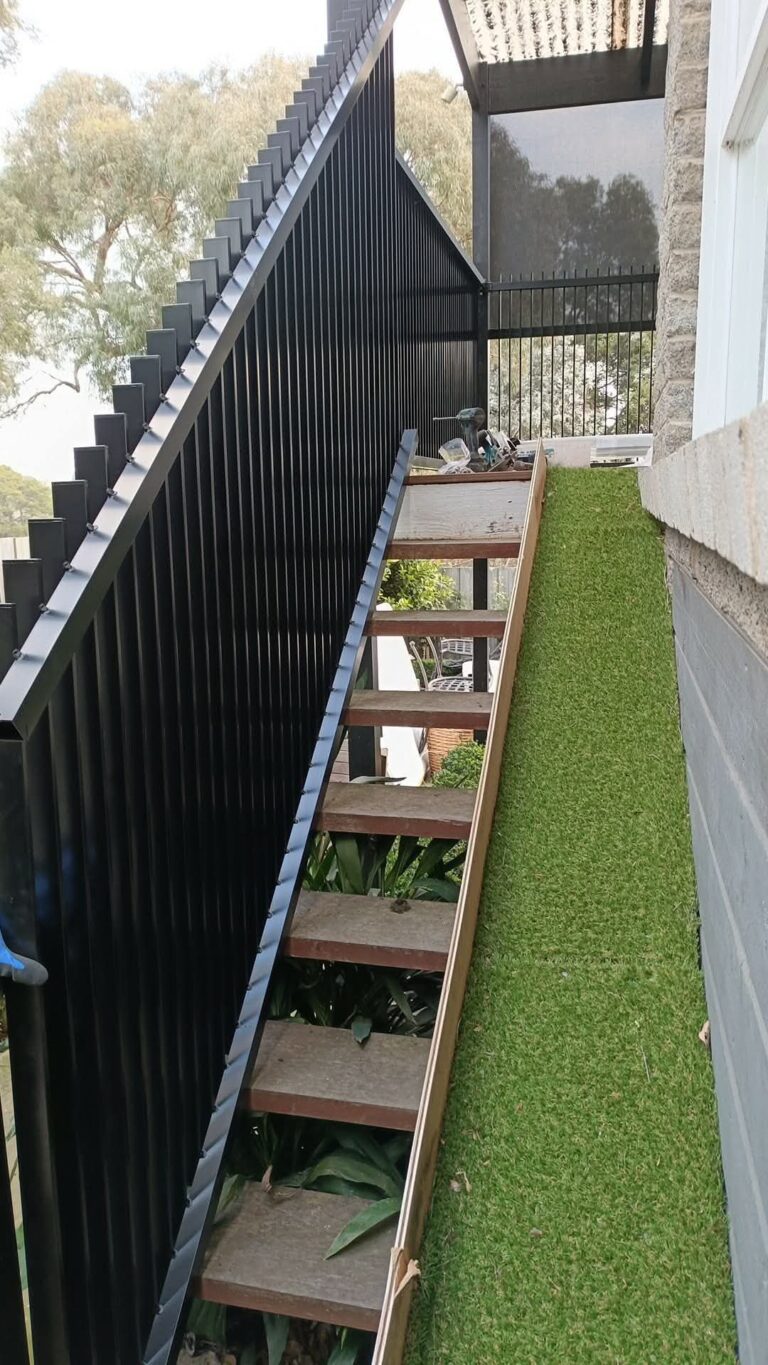
The featured project showcases a sleek and modern railing system, offering both aesthetic appeal and functional safety. The vertical black slats of the railing are uniformly spaced, creating a sense of openness while ensuring security. This design complements modern architectural styles, blending seamlessly with its environment. The project highlights the use of durable materials that are ideal for Melbourne’s varied climate, offering longevity and minimal maintenance.
Design and Aesthetic Appeal
This contemporary railing design is characterized by its clean lines and minimalist appearance. The vertical slats add a touch of elegance, making it suitable for both residential and commercial properties. The choice of black color not only provides a modern look but also enhances the visual appeal of the surrounding space. The railing system is designed to provide unobstructed views while maintaining a sturdy barrier, a perfect balance between form and function.
Functionality and Safety
Beyond aesthetics, the railing is built with safety in mind. The strong vertical slats provide a reliable barrier, preventing accidents on elevated platforms like decks or balconies. This design adheres to safety standards, ensuring that it meets all necessary regulations for height and strength, providing peace of mind to homeowners and business owners alike.
In-Depth Material Comparisons
Choosing the right material for your fencing can be a daunting task, particularly with the diverse climate conditions in Melbourne. Here’s a detailed comparison of popular materials used in fencing:
Colorbond
- Durability: Known for its robustness, Colorbond steel is exceptionally long-lasting, resistant to rust, and ideal for harsh weather conditions.
- Aesthetic Options: Available in a wide range of colors, Colorbond fencing can easily match the aesthetic of any property.
- Maintenance: Low maintenance, requiring only occasional cleaning to keep it looking new.
- Cost: Generally more affordable compared to timber and glass.
Timber
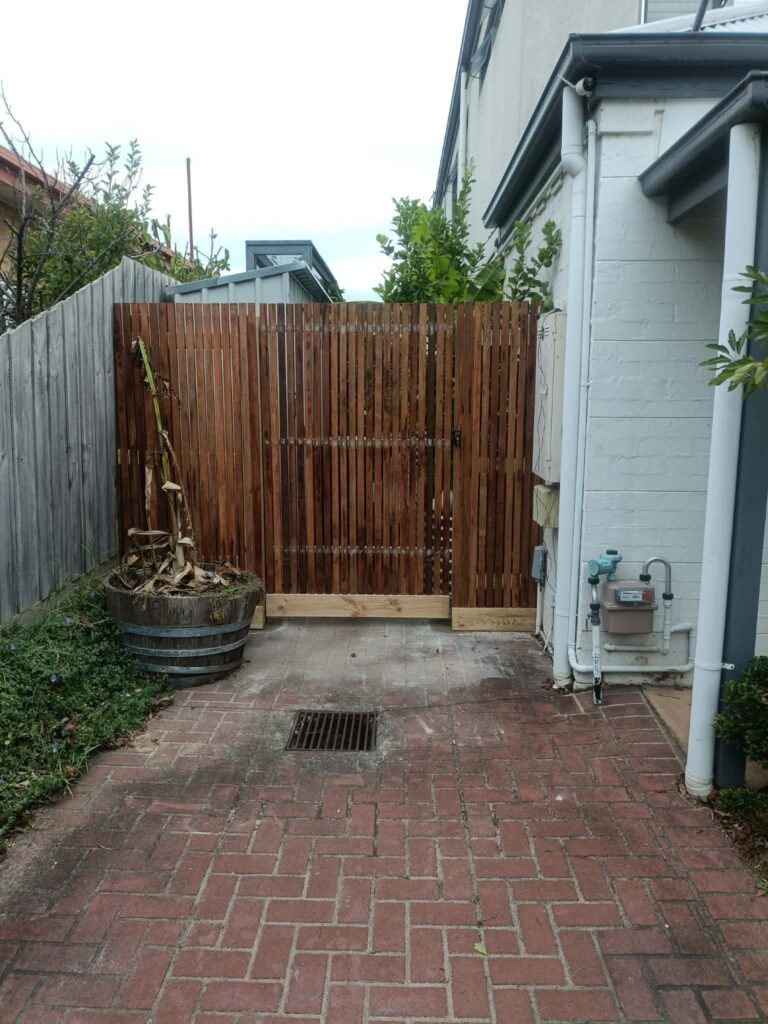
- Natural Appeal: Timber offers a traditional and timeless look that blends well with natural surroundings.
- Customization: Easily customizable in terms of paint and stain options to suit the design needs.
- Maintenance: Requires regular maintenance including staining and sealing to prevent rot and deterioration.
- Cost: Can be cost-effective initially but may incur higher maintenance costs over time.
Aluminium Slats
- Lightweight and Durable: Aluminium slats are lightweight yet sturdy, resistant to corrosion, and suitable for various environments.
- Aesthetic Variety: Available in a variety of colors and styles, making it easy to match with different architectural designs.
- Maintenance: Low maintenance, typically only requiring a wash to keep it clean.
- Cost: More expensive than traditional fencing materials but offers greater longevity and lower maintenance.
Glass Fencing
- Modern Aesthetics: Glass panels provide a sleek, modern look that maximizes visibility and creates an illusion of more space.
- Versatility: Ideal for pool fencing, balconies, and areas where visibility is a priority.
- Maintenance: Regular cleaning is necessary to keep the glass clear and streak-free.
- Cost: Among the most expensive options due to the materials and installation requirements.
Local Melbourne Building Codes and Regulations
Understanding and complying with local building codes and regulations is essential when installing a fence in Melbourne. These regulations ensure that the construction is safe, legal, and aesthetically pleasing.
Boundary Fence Regulations
Boundary fences must adhere to specific height requirements, usually not exceeding 2 meters. Consultation with neighbors is essential, especially if the fence will sit directly on the boundary line. Adherence to these regulations prevents legal disputes and ensures community harmony.
Council Permit Requirements
In many cases, council permits are required for fencing projects, particularly for those involving height beyond standard limits or certain materials. It is always prudent to contact your local council to clarify any specific requirements for your location.
Step-by-Step Professional Installation Process
Choosing professional installation not only ensures compliance but also quality craftsmanship. Here is a detailed walkthrough of our installation process:
Site Inspection and Preparation
We begin with a comprehensive site inspection to understand the landscape, soil conditions, and topographical challenges. This step is crucial for planning the layout and ensuring that materials are suitable for the ground conditions.
Design and Material Selection
Consultation with clients helps in selecting the most appropriate materials and design that not only fit their aesthetic aspirations but also adhere to their functional needs.
Post and Panel Installation
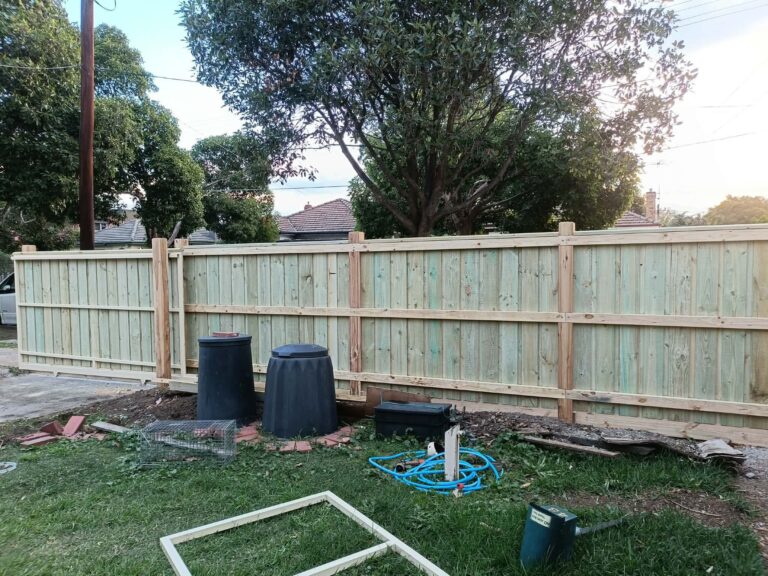
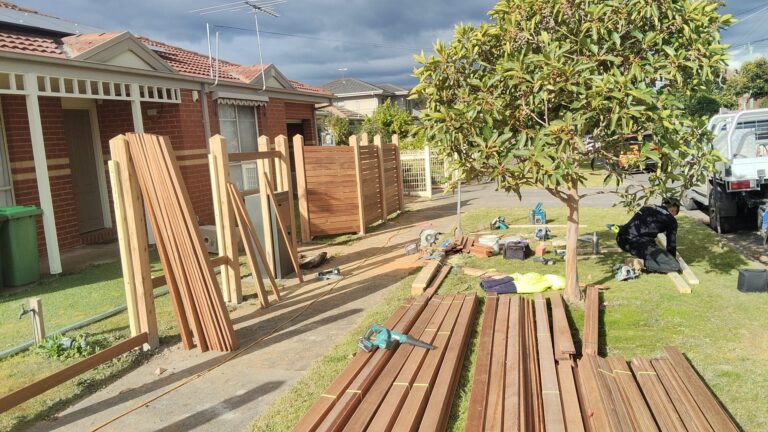
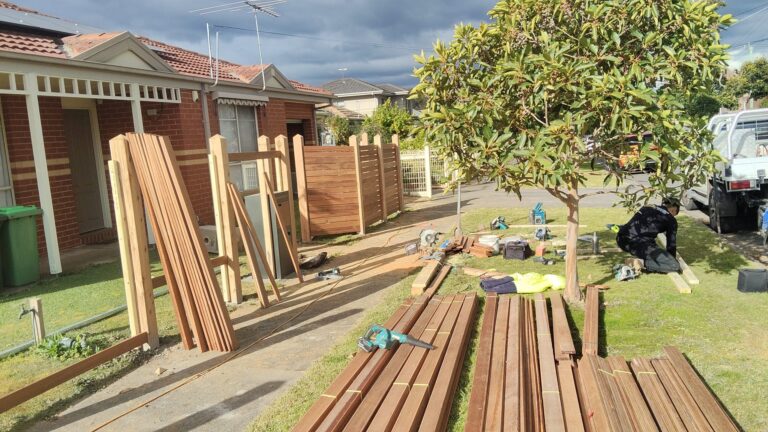
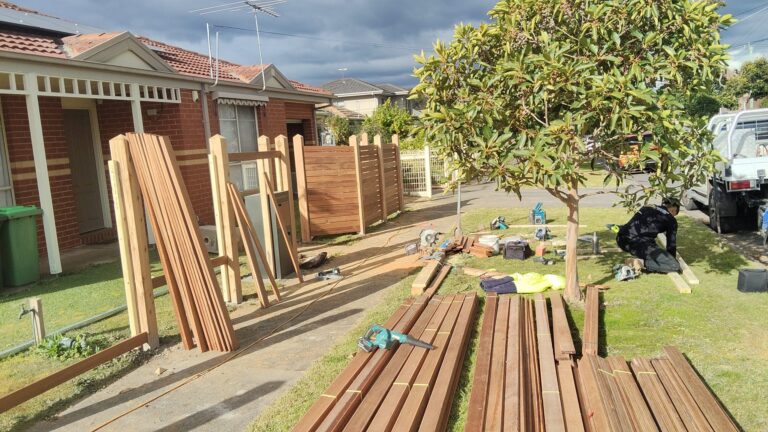
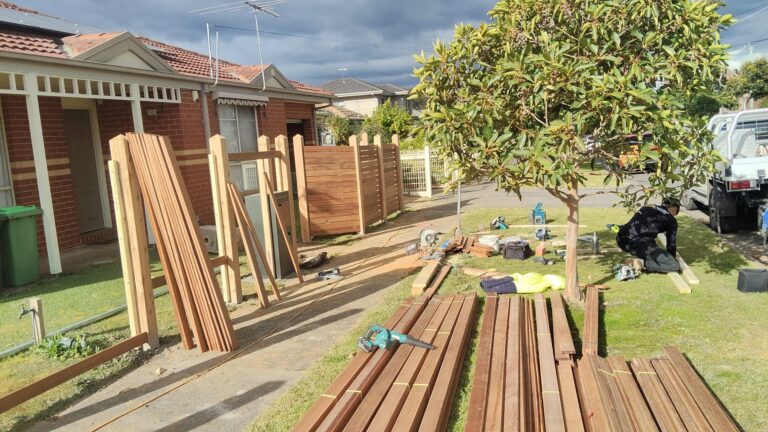
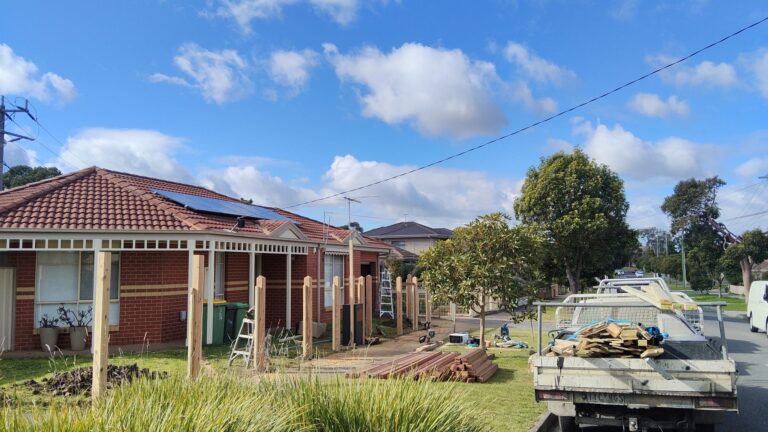
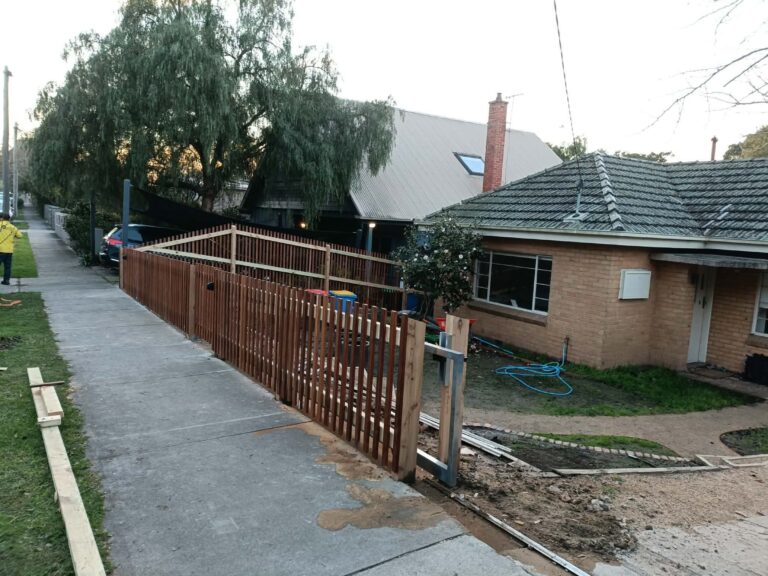
The installation begins with setting the fence posts using precise measurements to ensure alignment and stability. Following this, the panels are attached, ensuring they are level and secure.
Final Inspection and Clean-Up
Post-installation, our team conducts a thorough inspection to ensure durability and safety standards are met. We then complete the process with a clean-up, leaving the site looking pristine.
Long-Term Maintenance and Care Tips
Fencing in Melbourne must withstand diverse weather conditions. Here are some maintenance tips to ensure longevity:
Regular Cleaning
Periodic cleaning of your fencing helps in maintaining its appearance and prevents build-up of dirt and grime. For timber fencing, regular staining and sealing are vital.
Weatherproofing Measures
Applying weatherproof coatings and finishes can extend the life of timber and metal fences significantly, offering protection against moisture and UV damage.
Annual Inspection
An annual inspection helps to identify and repair issues early, preventing costly repairs down the line. This includes checking for signs of rot, corrosion, and structural integrity.
Frequently Asked Questions
1. Do I need council approval for fence installation in Melbourne?
Council approval may be required for certain types of fencing, especially if they exceed specific height restrictions or if you live in a heritage-listed area. It’s always best to check with your local council for guidance.
2. How do I maintain a timber fence?
Maintenance of a timber fence involves regular cleaning to remove dirt and occasional staining and sealing to protect against the elements. An annual inspection will help identify any damage or necessary repairs.
3. What are the benefits of aluminium slats compared to other materials?
Aluminium slats are popular for their lightweight nature, durability, and resistance to corrosion, making them suitable for coastal areas. They require minimal maintenance and offer a modern aesthetic appeal.
4. Can I install a fence myself, or should I hire professionals?
While DIY installation is possible, hiring professionals ensures that the fence is installed correctly and complies with local regulations. Professional installation often results in a more durable and aesthetically pleasing outcome.
Call-To-Action for Melbourne Homeowners
Enhance your property’s aesthetic and security with a professionally installed fence by Gravity Fencing & Gates. We offer expert advice, quality materials, and unparalleled craftsmanship. Get a Free Quote today and transform your outdoor space with our expertise.