Timber Fence vs Colorbond: 5 Smart Secrets You Must Know
Are you torn between a timber fence vs Colorbond for your property? Making a choice between a timber fence vs Colorbond can be tough. However, evaluating a timber fence vs Colorbond helps homeowners decide quickly. If you are comparing a timber fence vs Colorbond, this guide offers real practical advice. A proper selection of a timber fence vs Colorbond requires looking closely at local building trends. Therefore, the battle of timber fence vs Colorbond remains a classic debate in Victoria. At the same time, locals ask about a timber fence vs Colorbond for backyard privacy.
Thinking about a timber fence vs Colorbond means you must consider Melbourne’s unpredictable weather patterns. Many people compare a timber fence vs Colorbond based purely on upfront costs. Consequently, assessing a timber fence vs Colorbond involves looking at long-term maintenance needs. If you want to know whether a timber fence vs Colorbond offers better structural durability, keep reading. In this ultimate comparison of a timber fence vs Colorbond, we break down the structural pros and cons. Ultimately, settling the timber fence vs Colorbond debate depends on your budget. Let’s dive deep into this timber fence vs Colorbond review to help you choose the perfect fit for your Melbourne home.
0
The Boundary Decision for Melbourne Suburbs
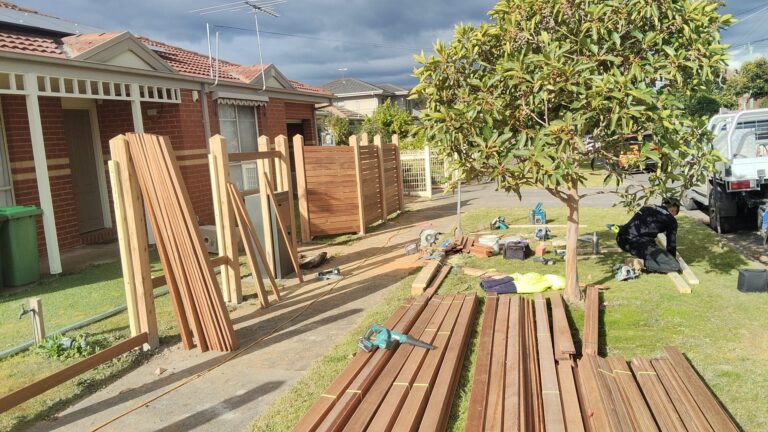
As a local fencer, I have spent years working across Melbourne. I install boundaries from the leafier historic streets of Camberwell to new estates in Tarneit. Through experience, I know how much a boundary wall matters to local homeowners.
A boundary is not just a structural line on a land survey. Instead, it is a major financial investment for your family. A good barrier shields you from the busy street and keeps your pets secure. Furthermore, it significantly impacts your home’s overall curb appeal and resale value.
In Victoria, the weather changes rapidly. Our properties must withstand blistering 40°C summer days and torrential winter downpours. We also face intense southerly winds on the same afternoon. That is why picking the right boundary material is so critical. Two undisputed champions dominate our local residential neighborhoods. Homeowners usually choose traditional timber paling walls or modern steel pre-painted panels. Let us break them down from a real builder’s perspective so you can spend your money wisely.
1. Visual Appeal: Timber Fence vs Colorbond Aesthetics
Your boundary structure forms the visual backdrop for your entire outdoor living area. Therefore, evaluating a timber fence vs Colorbond from a design perspective is highly important. You need to see how each option complements your house’s existing architectural style.
The Warmth and Versatility of a Timber Fence
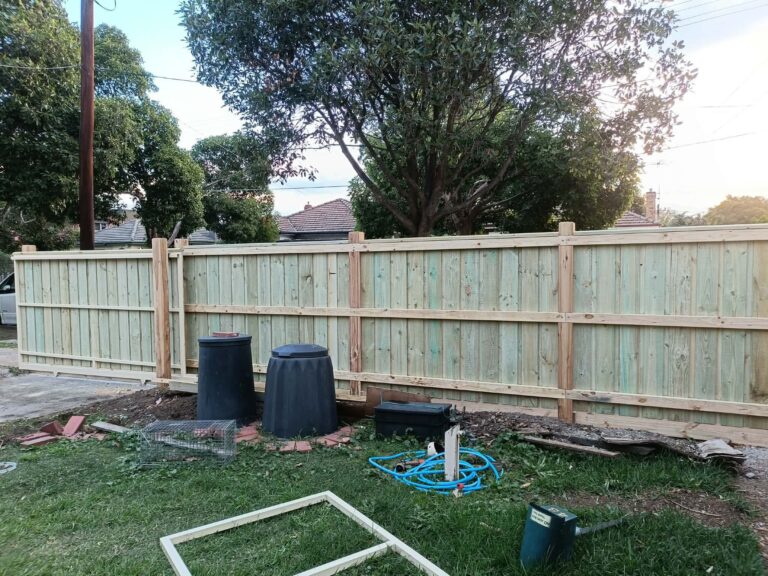
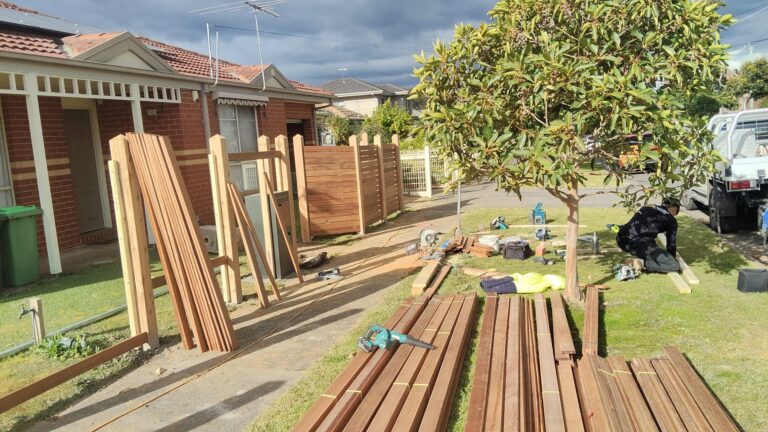
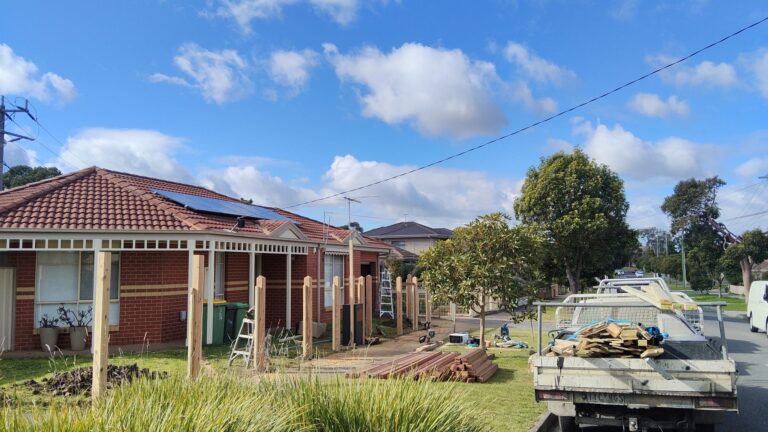
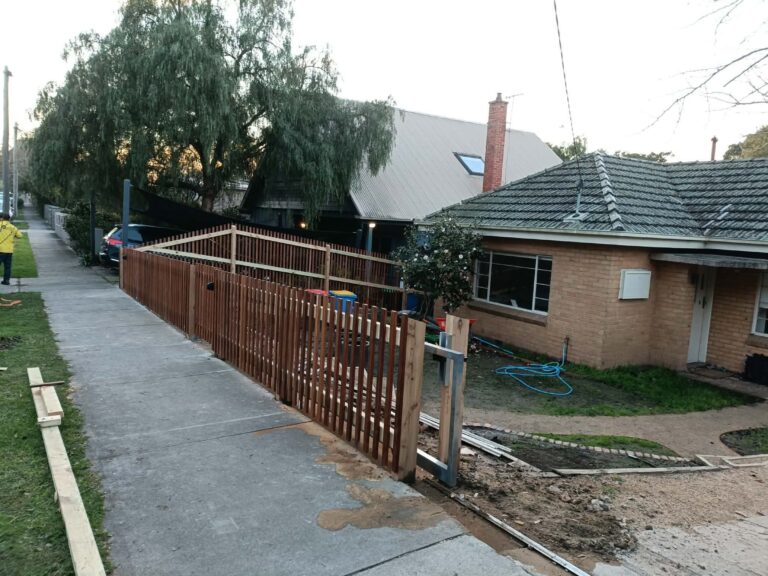
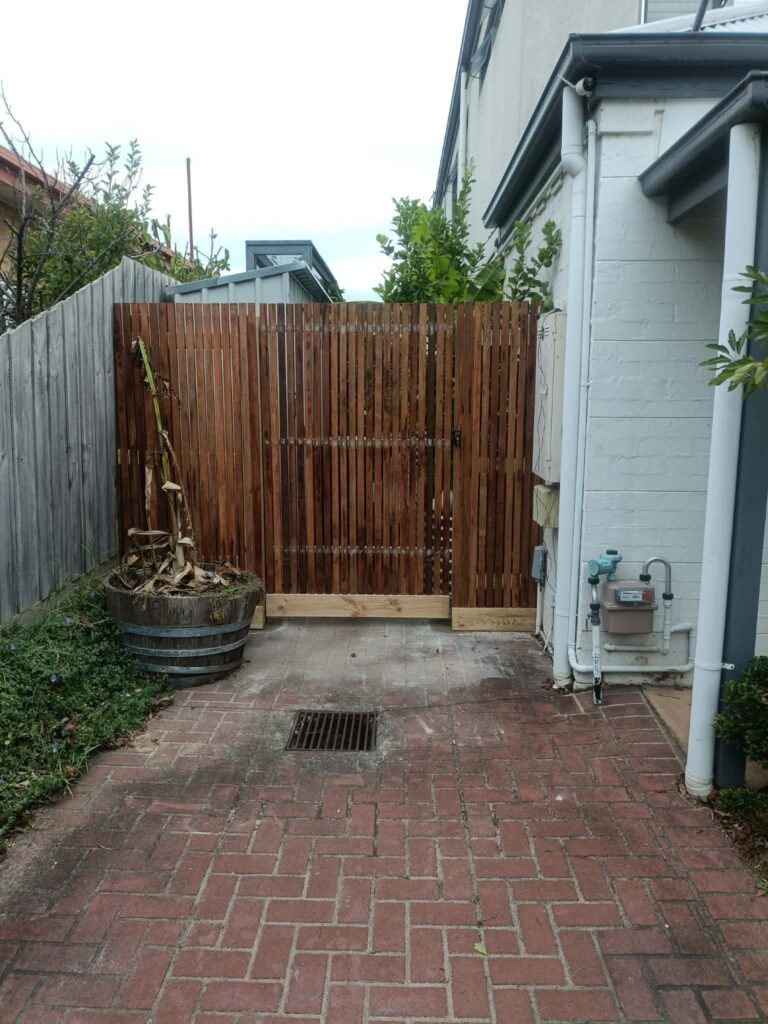
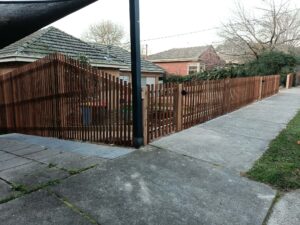
Timber brings a classic, organic, and timeless warmth. Engineered materials simply cannot replicate this natural look. For heritage homes, treated pine or hardwood paling remains the natural choice. This includes classic Victorian terraces, ornate Edwardian properties, or charming California bungalows in Malvern.
Wood preserves the historic streetscape beautifully. In addition, it integrates flawlessly with established garden beds and green foliage. Furthermore, timber offers incredible design versatility. You can leave it to weather naturally into a rustic gray. Alternatively, you can apply a warm timber stain to highlight the grain. Many modern owners paint it in dark charcoal tones to match a contemporary renovation.
The Modern Steel Aesthetics of a Colorbond Fence
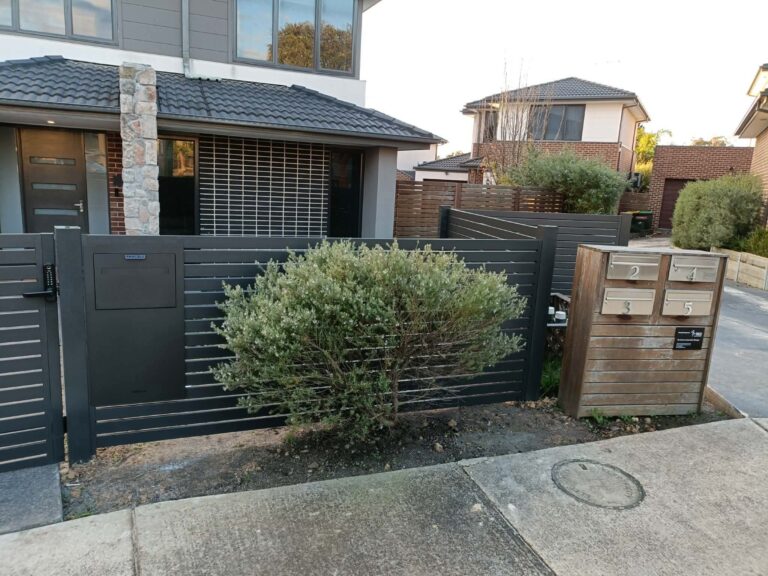
On the flip side, steel boundary panels offer an exceptionally clean, crisp, and minimalist aesthetic. When comparing a timber fence vs Colorbond for modern architecture, contemporary designers highly favor steel. If you live in a sharp, double-storey rendered brick home, steel panels act as a striking feature.
One of its greatest design advantages is the extensive color palette. BlueScope Steel inspires these shades directly from the unique Australian landscape. Popular options include Monument, Dune, and Woodland Grey. These tones allow you to tie your boundary line into your roof gutters or garage doors easily. Additionally, the panels look identical from both sides. Consequently, this design completely eliminates awkward disputes about who gets the good side of the wall.
2. Durability Check: Timber Fence vs Colorbond Weather Resistance
Melbourne’s microclimates place massive physical stress on outdoor structures. Let us look at how both materials hold up against the elements over a twenty-year span. This section serves as the ultimate timber fence vs Colorbond durability showdown.
Structural Performance of the Timber Fence Option
Mills produce modern wooden boundary walls using high-quality treated pine. Typically, suppliers apply a H3 or H4 chemical level treatment. This specific chemical process effectively resists rot, fungal decay, and destructive subterranean termites.
However, wood is a natural, porous material. Therefore, it inherently behaves like a sponge in wet weather. It absorbs ambient moisture during wet winter spells. Then, it loses that moisture under the intense summer sun. Over time, this constant expansion and contraction cycle causes natural movement. You will inevitably experience minor warping, twisting, or splitting in the individual palings. Furthermore, many northern and western Melbourne suburbs contain highly reactive clay soil. As a result, the timber posts can shift slightly over the years if builders do not anchor them deep enough.
Structural Performance of the Colorbond Fence Option
Engineers specifically design Colorbond steel to survive the harshest environments. BlueScope Steel manufactures the metal base with a specialized corrosion-resistant activation layer. They galvanize the core with a zinc-aluminum alloy. Finally, they finish it with a baked-on exterior grade paint. This top coat effectively resists chipping, peeling, and blistering.
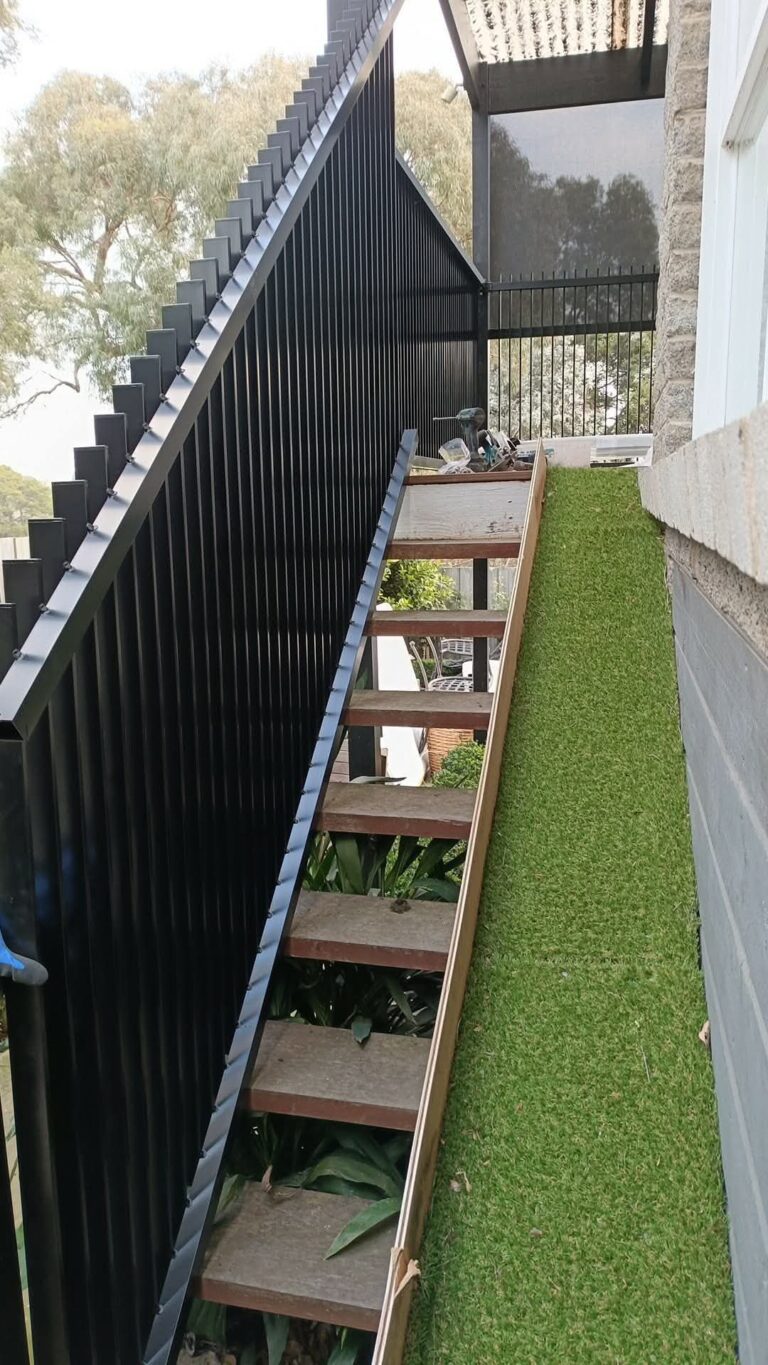
Steel is completely impervious to termite attacks. It will never rot when you expose it to damp garden soil. Moreover, it cannot catch fire. This makes it an exceptional choice for properties in designated Bushfire Attack Level (BAL) zones. The only structural vulnerability involves high-velocity wind loads. If you live in an exposed, wide-open new estate, steel panels can act like a sail. To ensure structural integrity, an experienced installer must embed the steel posts deep into the ground. We always use high-strength concrete mixes for these setups.
3. Financial Breakdown: Timber Fence vs Colorbond Installation and Long-Term Costs
Let us talk numbers because budget determines the final choice for most families. When calculating the financial impact of a timber fence vs Colorbond, you must think ahead. It is vital to separate the immediate installation bill from the total cost of ownership.
| Feature / Metric | Timber Paling Fencing | Colorbond Steel Fencing |
| Upfront Installation Cost | Budget-friendly | Moderate to Premium |
| Expected Structural Lifespan | 12 to 15+ Years | 20 to 30+ Years |
| Ongoing Maintenance | High (Requires staining/painting) | Very Low (Occasional hose down) |
| Termite and Rot Resistance | Moderate (Relies on chemicals) | 100% Impervious |
| Bushfire Risk Suitability | Poor (Combustible material) | Excellent (Certified for BAL zones) |
Opting for wood saves you a noticeable amount of money on day one. However, it requires regular manual upkeep to reach its maximum lifespan. Every three to five years, you must spend weekends pressure washing and sealing the timber. Otherwise, the wood will look degraded and weathered.
Steel panels require a higher initial investment upfront. This happens because premium raw steel costs more to manufacture. However, once a professional installs it, your maintenance routine drops to practically zero. You never have to paint it or nail loose pieces back together. Over a fifteen-year period, these savings easily offset the initial price gap. Therefore, steel wins the long-term timber fence vs Colorbond economic equation.
4. Maintenance Comparison: Timber Fence vs Colorbond Lifespan Reality
What does daily ownership actually look like for these two options? Many homeowners regret their choices down the road because they do not plan for maintenance. Let us look closely at your future timber fence vs Colorbond upkeep needs.
If you choose a wooden boundary, you must accept visible aging. Soil moisture from nearby garden beds accelerates localized rotting. Ground-level moisture also causes the bottom of the palings to soften. This issue happens quickly if the wood constantly touches damp mulch.
With steel panels, maintenance is incredibly easy. All it takes is a quick rinse with a garden hose every few months. This wash removes accumulated dust, salt particles, and cobwebs. As a result, it will look just as vibrant and straight in year ten as it did on day one. For busy families, steel is the clear winner in this timber fence vs Colorbond debate.
5. Local Regulations: Timber Fence vs Colorbond Legal and Council Frameworks
Before you hire a contractor, you must navigate local legal rules. Property owners must follow the Victorian Fences Act and council guidelines regarding a timber fence vs Colorbond installation.
Under the Fences Act, neighbors generally share costs equally for a sufficient boundary wall. However, disagreements can arise over materials. If you want a premium steel system but your neighbor insists on wood, you must act fairly. Typically, you will have to pay the financial difference out of your own pocket.
Furthermore, you must adhere closely to Victoria’s ResCode regulations. Property owners can usually build standard residential side boundaries up to 2 meters in height. These jobs do not require a formal building permit. However, if you live on a corner allotment, rules change. You must check with your local council, like the City of Whittlesea, to avoid steep fines.
Final Verdict: Timber Fence vs Colorbond Decision Guide
There is no single correct answer for every homeowner. Instead, you must align the material with your property type, lifestyle, and financial goals.
You should choose Timber if:
-
You own a traditional heritage home where steel would look visually jarring.
-
You work with a tight upfront budget and need a cost-effective solution immediately.
-
You love the organic look of natural wood and enjoy DIY home projects.
-
Your backyard features sloped terrain where custom-cut wooden panels fit easier.
You should choose Colorbond if:
-
You own a modern contemporary home and want a clean, minimalist look.
-
You want a completely maintenance-free solution that never requires painting.
-
You build in a bushfire-prone area or an area with heavy termite activity.
-
You want a long-term investment backed by an official BlueScope manufacturer warranty.
To make sure your new asset stands perfectly straight, work with certified experts. If you want a flawless installation, explore our professional Fencing Services Melbourne options. You can also view our detailed guide on structural configurations by checking our Colorbond Fencing Melbourne page. Alternatively, request an accurate cost breakdown directly through our convenient Get a Quote portal.
For further reading on the legalities of shared property lines, you can review the official Victorian Fences Act guide provided by the Dispute Settlement Centre of Victoria, or check the structural steel compliance standards outlined by the Australian Steel Institute.
Frequently Asked Questions
Does Colorbond fade in the harsh Australian sun?
Modern manufacturing technologies feature advanced UV-resistant coatings. The paint is specifically baked onto the galvanized core, meaning it will retain its rich color depth for many years with minimal chalking.
Can I mix both materials on my property?
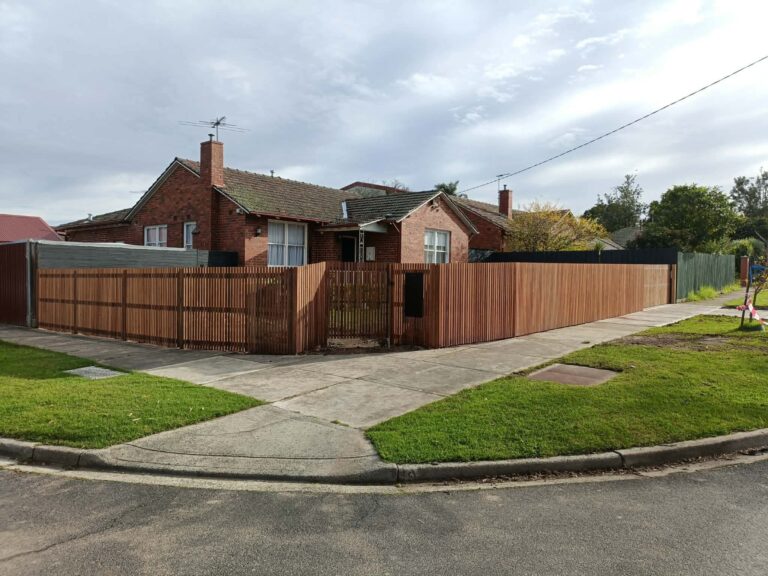
Absolutely. Many local homeowners choose to install durable, low-maintenance steel panels along their side boundaries for maximum privacy from neighbors, while opting for a warm, feature-grade vertical timber batten design for their front yard to boost their home’s street appeal.
How deep should the ground posts be set?
For a standard 1.8-meter-tall residential boundary wall, posts should be set at least 600mm to 900mm deep into the ground, depending on whether the soil is loose sand or dense clay. Skipping this step or skimping on concrete is the number one reason boundaries begin to lean after a heavy storm.