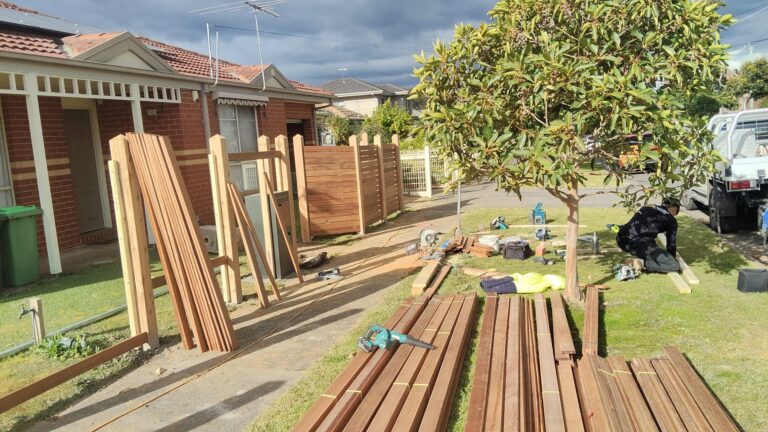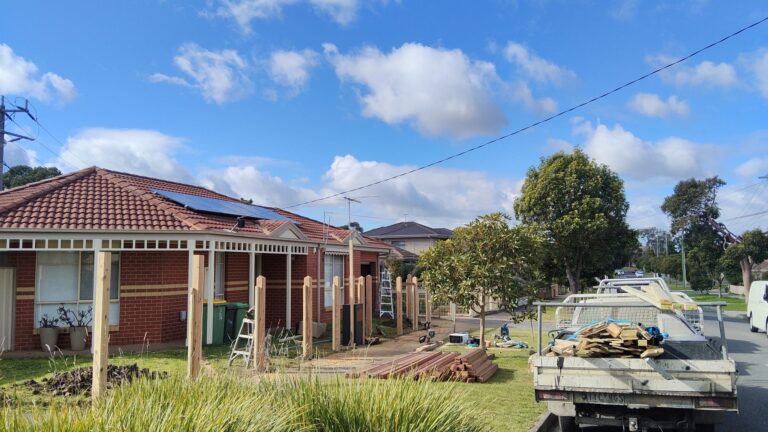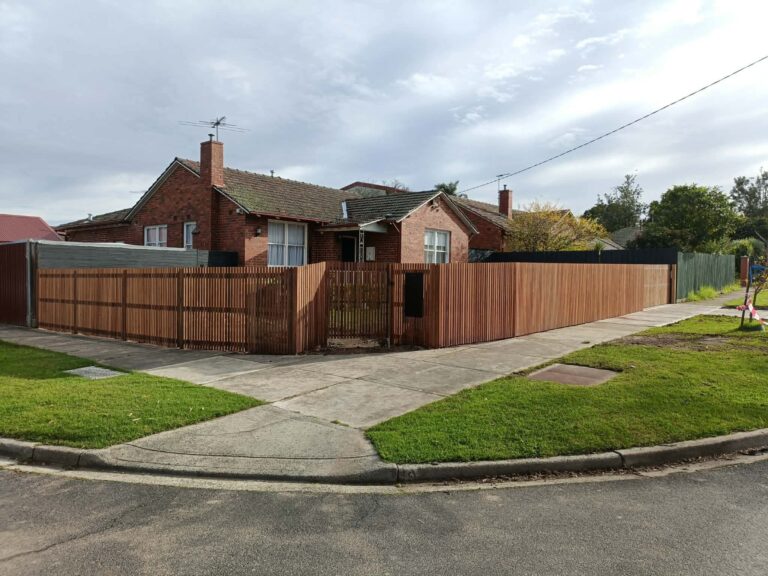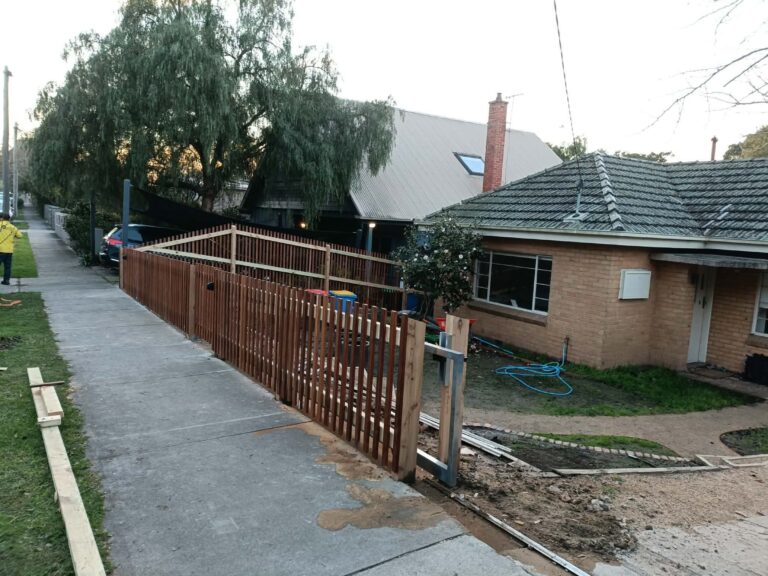
Modern Fencing Solutions: The Ultimate Guide to Property Security and Boundary Engineering
Modern Fencing Solutions play an indispensable role when you choose a boundary structure for your residential or commercial property. Because this vital task requires a careful, meticulous mix of structural engineering, municipal council compliance, and good neighbor relations, planning ahead is always smart. Whether you need to replace an aged timber fence or secure a newly constructed suburban home, achieving proper design is absolute key. Every single project utilizing Modern Fencing Solutions must focus heavily on structural strength, proper material selection, and rigorous sub-surface foundation depth. Consequently, property owners can protect their land parcels, gain daily privacy, mitigate environmental erosion risks, and significantly boost overall property value through a durable and legally compliant boundary structure that stands the test of time. Furthermore, understanding the deep intricacies of contemporary boundary design safeguards your long-term investment against shifting external environmental factors.
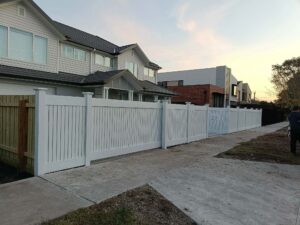
1. Why Modern Fencing Solutions Matter for Property Security and Structural Integrity
Building a strong fence takes much more than simply aligning decorative panels along an established property line. When property owners check out Modern Fencing Solutions, they quickly see that sloping blocks, high wind zones, and reactive clay soils need custom plans to guard foundations.
Constructing a reliable boundary structure involves a meticulous engineering balance. In modern Australian suburban blocks—which frequently feature sloping terrain, highly reactive clay soils, or tight boundary setbacks—a custom fence protects structural foundations, landscaping tiers, and lifestyle privacy. Without proper structural engineering, seasonal shifts can compromise your entire boundary line. Therefore, meticulous planning is required from day one.
Mitigating Erosion and Managing Slopes With Modern Fencing Solutions
When land slopes significantly, you must manage soil movement well. Retaining fences take heavy lateral pressure from dirt. Without good engineering, heavy seasonal rain washes supporting soil away entirely. Therefore, read our Guide to Melbourne Residential Earthworks (Internal Link 1) to check soil stability before you build. Managing soil movement on sloping terrain prevents structural posts from leaning and footings from cracking. Additionally, installing proper barriers keeps earth firmly in place during heavy storms.
Maximizing Space and Privacy Using Modern Fencing Solutions
Clean lines mark property limits clearly, transforming awkward slopes into flat boundary tiers. Furthermore, modern urban areas lack privacy. Acoustic designs block street noise so you get a quiet, peaceful yard. To explore extra upgrades, read our Professional Landscaping & Drainage Solutions (Internal Link 2) overview. High-quality visual boundary designs block unwanted sightlines and reduce street noise effectively. Consequently, your outdoor living areas become tranquil retreats.
Ensuring Compliance for Modern Fencing Solutions
Every single build using Modern Fencing Solutions must follow local laws. If you ignore rules, you might face expensive council fines or legal fights. Professional installations ensure your boundary layout adheres strictly to municipal frameworks and state regulatory guidelines. Thus, verifying all local codes before construction begins saves time and money.
2. Local Council Regulations for Modern Fencing Solutions
When you start a project, you must follow Australian laws. Municipalities enforce specific thresholds that determine whether you need formal architectural approval or a building permit.
Height Restrictions in Modern Fencing Solutions
Front and side fence heights vary based on local rules and driver sightlines. For official details, check the City of Whittlesea Planning Scheme (External Link 1). Neighborhood character guidelines also influence what you can build. Furthermore, exceeding height limits without permits leads to forced removals.
The Fences Act and Legal Frameworks
Dividing fences follow acts that set cost-sharing rules. Electric gates built via Modern Fencing Solutions must also meet safety codes from the Victorian Building Authority (VBA) (External Link 2). Formal notice periods and dispute resolution mechanisms protect both property owners. Therefore, open communication under legal frameworks prevents neighborhood friction.
Easements and Standards
You cannot build over stormwater pipes without explicit permission. Always check structural codes from Standards Australia (External Link 3) before buying supplies. Encroaching on neighboring land or municipal easements is strictly prohibited under law. Consequently, consulting professional surveyors protects your legal standing.
3. Determining Shared Responsibilities and Boundary Rights
Shared fences raise questions about costs. Clear talks stop disputes before you dig.
The Necessity of a Boundary Survey
Never guess where lines sit based on old gardens. Hiring a licensed surveyor keeps your investment safe. For more help, read our guide on Neighborly Disputes and Boundary Fencing Laws (Internal Link 3). Pegging the exact property boundary ensures your investment is legally protected. Moreover, it prevents costly accidental encroachments.
Cost Splitting Principles
Neighbors usually share the cost of a standard dividing fence. However, you must issue a formal notice and give neighbors 30 days to reply or propose alternatives. Hence, following statutory notice periods ensures smooth administrative collaboration.
Managing Upgrades via Modern Fencing Solutions
If one owner wants a fancy style via Modern Fencing Solutions that costs extra, that owner pays the price difference. Establishing these agreements in writing prevents misunderstandings and fosters positive neighbor relations. Consequently, transparent budgeting keeps everyone happy.
4. Premium Material Choices in Modern Fencing Solutions
Materials decide how long your fence lasts. Industry standards favor several distinct options:
Treated Pine and Hardwoods
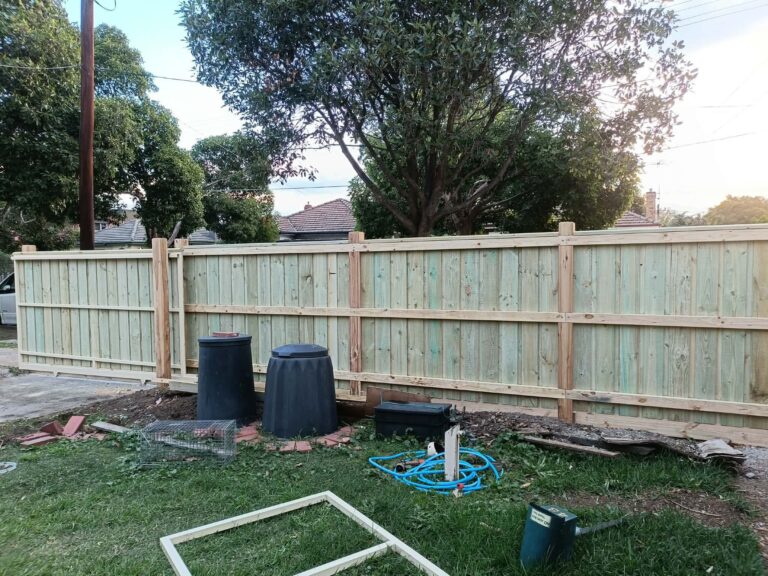
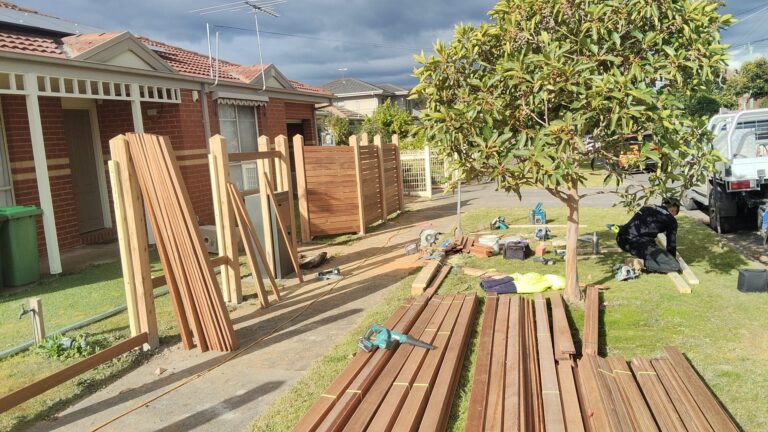
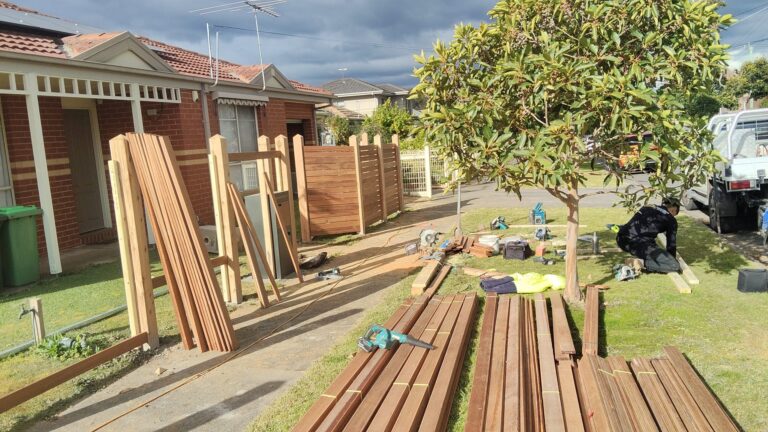
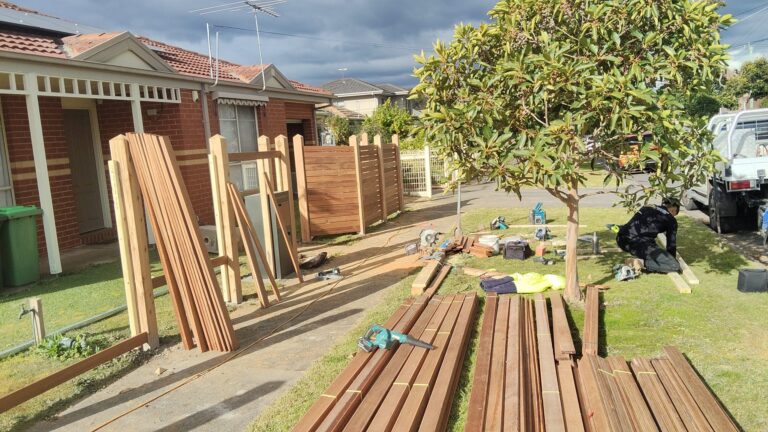
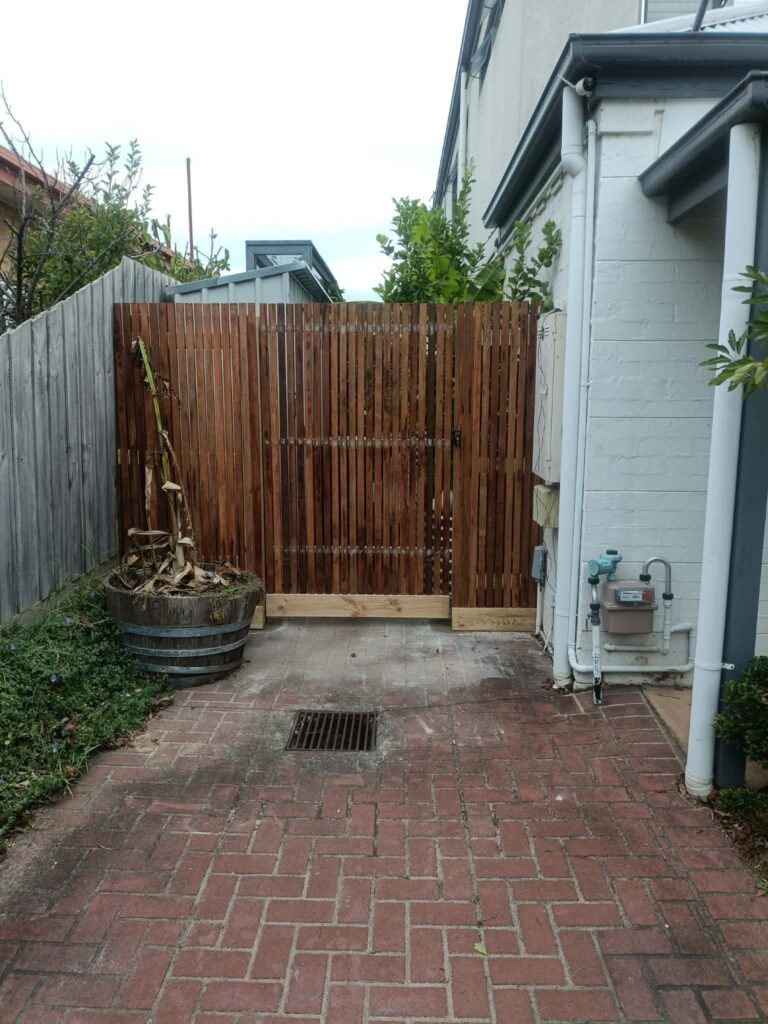
Timber gives a natural look. H4-rated pine posts resist rot and termites. To check specs, consult the Concrete Masonry Association of Australia (External Link 4). Hardwood palings provide robust privacy and blend seamlessly with garden landscaping. Furthermore, quality timber withstands harsh elements when properly treated.
Colorbond and Sheet Steel
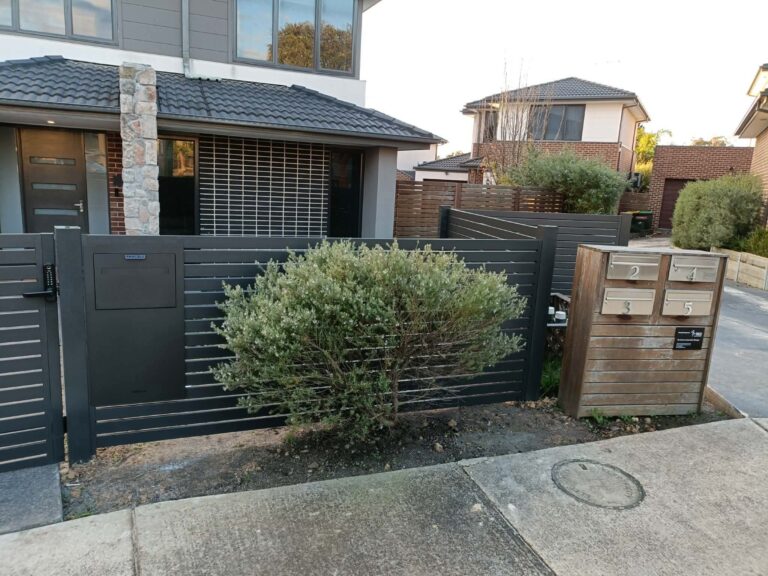
Steel offers privacy and resists warping. Items built with Modern Fencing Solutions handle high winds, making them a top pick for perimeters. Steel solutions are fire-resistant, durable, and virtually maintenance-free. Therefore, they remain exceptionally popular across Australian suburbs.
Aluminium and Professional Standards
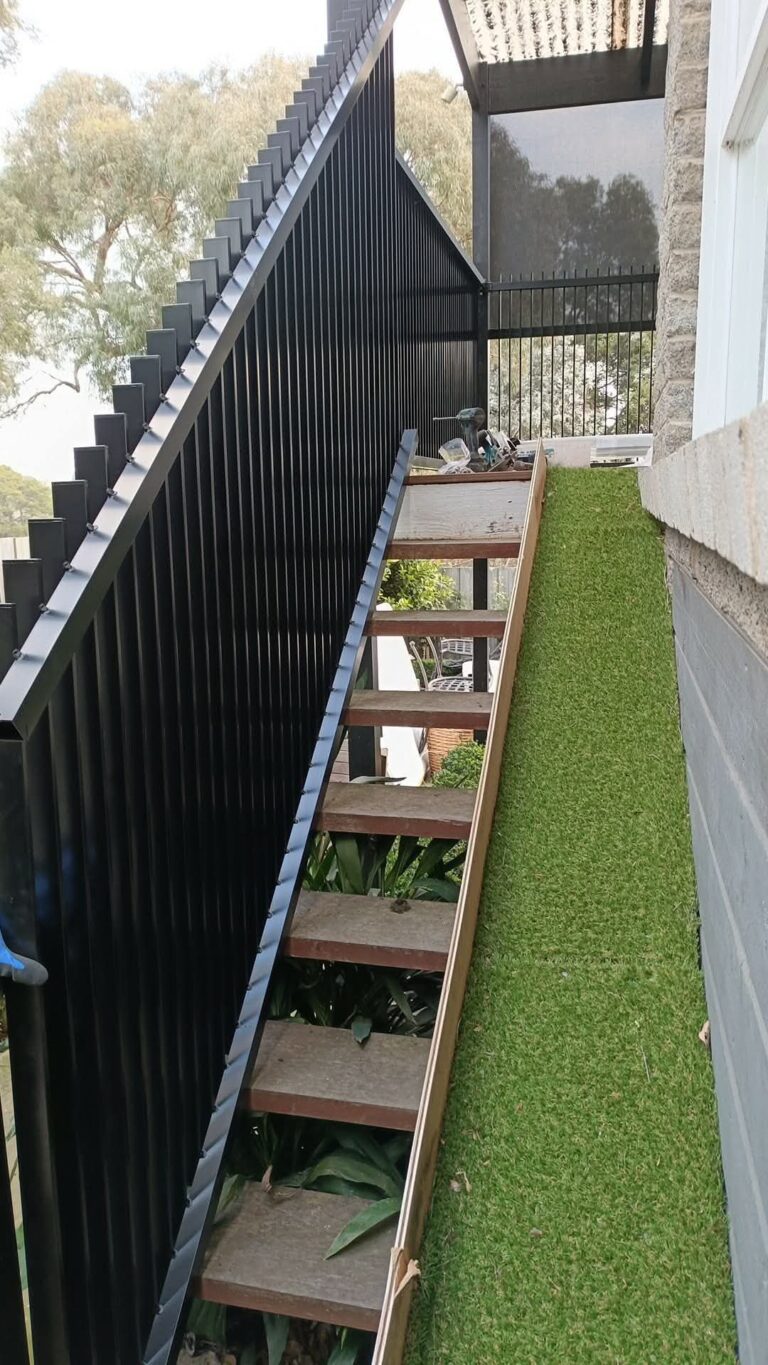
Aluminium tubular fencing suits front security boundaries. For contractor rules, consult Master Builders Victoria (External Link 5). Powder-coated finishes prevent rust and corrosion on metal gates. Thus, metal options deliver long-lasting sleek aesthetics.
Masonry and Concrete Blocks
For high security and architectural style, masonry walls offer strength and a permanent look. Precast concrete panel systems provide unmatched acoustic insulation and structural mass. Consequently, they anchor high-end perimeter designs securely.
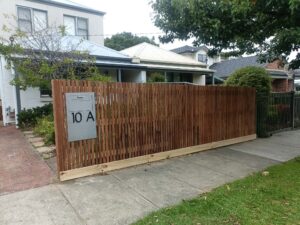
5. Critical Drainage and Sub-Surface Engineering
Water and soil shift cause fence damage. A solid build needs good sub-surface work.
Concrete Footing Depth and Wind Resistance
Deep concrete piers hold posts against high winds. In windy areas, shallow holes cause posts to tilt or fail. Engineers specify footing depths based on soil classification to withstand severe weather gusts. Therefore, proper footings prevent structural sway.
Moisture Management and Post Protection
Stopping water pools keeps timber healthy. For wood builds, gravel at the base drains water away. Damp-proof membranes and proper sealing protect steel and masonry against rising damp. Hence, controlling moisture extends material life.
Integrated Drainage and Hydrostatic Pressure
Where fences meet slopes, agricultural pipes relieve water pressure. Read the Melbourne Water Guidelines (External Link 6) for rules. Without drainage, trapped water causes structural collapse. Agricultural drainage pipes and gravel backfills are essential. Consequently, managing water flow protects the entire foundation layout.
6. Comprehensive Maintenance Protocols to Extend Lifespan
Even a top fence needs care to survive changing weather patterns.
Routine Inspections for Timber and Steel
Check the fence twice a year to spot loose bolts or rust early. Make sure post brackets stay tight. Identify rotting palings before they escalate into major structural hazards. Therefore, early detection saves money on repairs.
Sealing, Staining, and Rust Prevention
Timber needs sealant every few years to block UV rays. Also, clean steel to stop rust. Automated gates require gentle cleaning to remove corrosive salt deposits and industrial pollutants. Hence, proactive coating maintains structural defense lines.
Vegetation Management and Clearance
Trim plants away from timber. Keeping foliage back lets air flow, dries wood fast, and stops decay. By implementing these care routines, your investment will maintain its performance for decades.